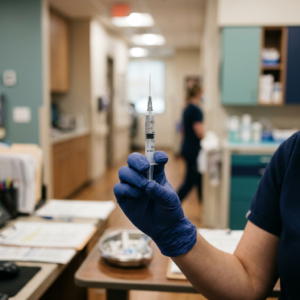
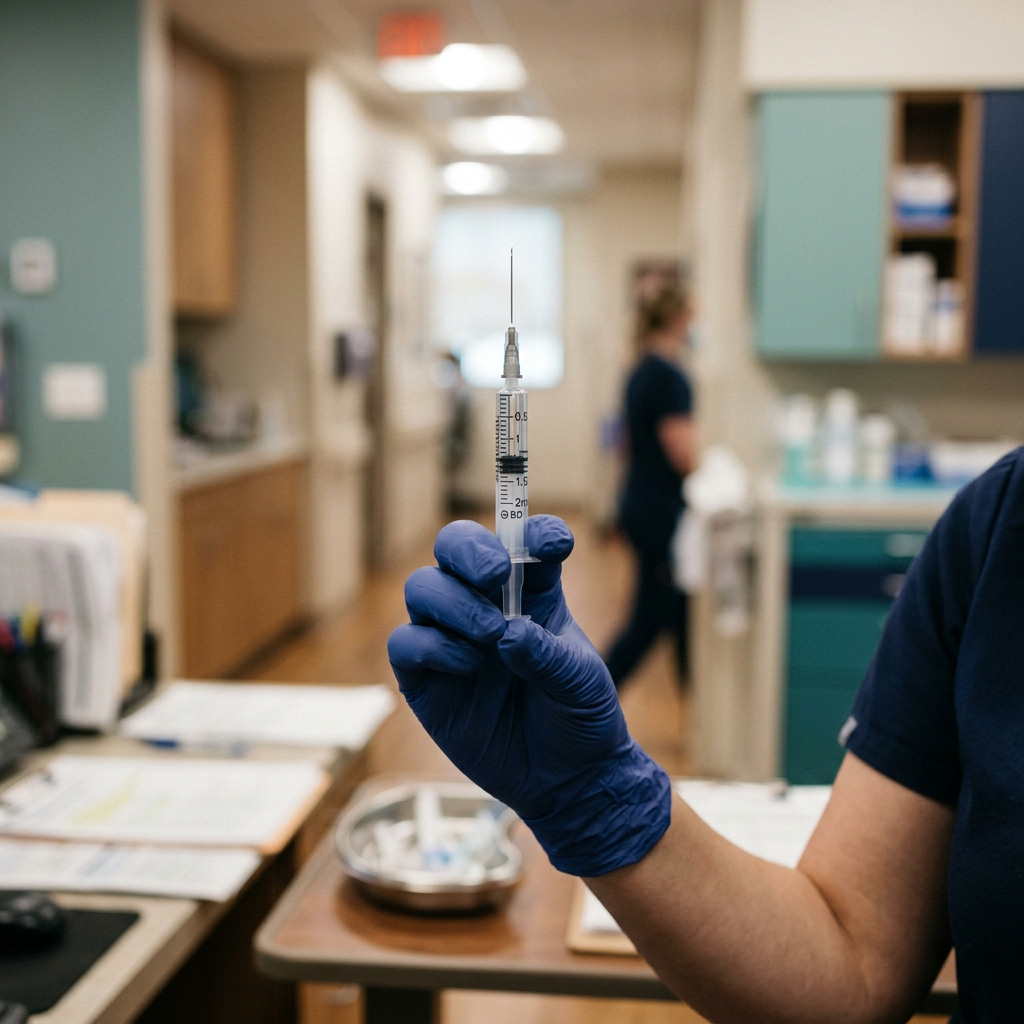
For most men starting testosterone replacement therapy, injections are the primary delivery method — and for good reason. Injectable testosterone is the most widely prescribed, most cost-effective, and most pharmacokinetically predictable form of TRT available. It is also the form that generates the most anxiety in men who have never self-injected before.
This article explains everything you need to know: the different testosterone esters available, how injection frequency affects your hormone levels, the practical differences between intramuscular and subcutaneous injection, what your first injection actually feels like, and how to work with your provider to find the protocol that keeps your levels stable and your symptoms resolved. If you are still deciding whether TRT is right for you, start with our complete guide to TRT in Colombia.
Why Injections Are the Standard
Testosterone can be delivered through gels, patches, pellets, nasal sprays, and oral capsules — but injectable testosterone remains the global standard for TRT, and virtually all protocols in Colombia use it. The reasons are practical:
- Predictable pharmacokinetics: Injectable esters produce well-characterized blood level curves that physicians can monitor and adjust with precision.
- Cost: Injectable testosterone is dramatically cheaper than gels or patches — often by a factor of 5–10x. In Colombia, a month’s supply of injectable testosterone cypionate costs approximately 50,000–120,000 COP, making it accessible to a far wider patient population.
- No transfer risk: Testosterone gels carry a risk of transdermal transfer to partners or children through skin contact. Injections eliminate this concern entirely.
- Dosing flexibility: Injection volumes can be adjusted in small increments, allowing precise dose titration based on blood work. This granularity is harder to achieve with gels or patches.
- Reliability: Gel absorption varies significantly between individuals and can be affected by sweating, showering, and skin conditions. Injections deliver a known quantity every time.
According to the Endocrine Society’s 2018 Clinical Practice Guidelines, injectable testosterone esters are recommended as a first-line treatment option for men with confirmed hypogonadism. The choice between specific esters depends on patient preference, injection frequency tolerance, and local availability.
Testosterone Esters: What Is Actually in the Vial
The testosterone molecule itself is identical regardless of the formulation. What differs between injectable products is the ester — a chemical modification attached to the testosterone molecule that controls how slowly it is released from the injection site into the bloodstream. Longer esters mean slower release and less frequent injections.
Testosterone Cypionate
Testosterone cypionate is the most commonly prescribed TRT formulation in the Americas, including Colombia. It has a half-life of approximately 8 days, which means it is typically injected every 5–7 days for optimal level stability.
| Property | Detail |
|---|---|
| Half-life | ~8 days |
| Typical frequency | Every 5–7 days (some protocols use every 3.5 days for split dosing) |
| Common concentrations | 200 mg/mL, 250 mg/mL |
| Carrier oil | Cottonseed oil (most brands) or grape seed oil |
| Availability in Colombia | Widely available at most pharmacies |
| Approximate cost | 50,000–120,000 COP per vial |
Cypionate produces a predictable rise-and-fall pattern: testosterone levels peak approximately 24–48 hours after injection and gradually decline until the next dose. With weekly or twice-weekly dosing, most men achieve stable levels without significant peaks and troughs.
Testosterone Enanthate
Testosterone enanthate is pharmacologically nearly identical to cypionate, with a half-life of approximately 7–8 days. The two are essentially interchangeable in clinical practice, and switching between them requires no protocol change. Enanthate is slightly more common in European and some Latin American markets.
| Property | Detail |
|---|---|
| Half-life | ~7–8 days |
| Typical frequency | Every 5–7 days |
| Common concentrations | 250 mg/mL |
| Carrier oil | Sesame oil (most brands) |
| Availability in Colombia | Available, though cypionate tends to be more consistently stocked |
The practical difference between cypionate and enanthate for the patient is essentially zero. If your pharmacy has one and not the other, switching is straightforward — the dose, frequency, and expected blood levels remain the same.
Testosterone Undecanoate (Nebido)
Testosterone undecanoate is the long-acting option. With a half-life of approximately 33 days, it is injected every 10–14 weeks — roughly once every three months. This makes it attractive for men who dislike frequent injections or want a more hands-off protocol.
| Property | Detail |
|---|---|
| Half-life | ~33 days |
| Typical frequency | Every 10–14 weeks after initial loading |
| Injection volume | 4 mL (1,000 mg) — significantly larger than cypionate/enanthate |
| Administration | Intramuscular only, typically administered by a healthcare professional |
| Availability in Colombia | Available, sometimes requires advance ordering at pharmacies |
| Approximate cost | Higher per injection, but fewer injections per year |
The tradeoff with undecanoate is flexibility. Because it is long-acting, dose adjustments take weeks to manifest in blood levels. If your initial dose produces levels that are too high or too low, correcting course is slower than with cypionate or enanthate. A 2008 study published in Clinical Endocrinology demonstrated that testosterone undecanoate provides stable physiological levels in most men, but the initial titration period requires patience and monitoring.
For most patients beginning TRT, cypionate or enanthate provides the best balance of level stability, cost, dose flexibility, and self-administration convenience. Undecanoate is a reasonable option for men who have established their optimal dose and prefer less frequent clinic visits.
→ Not sure which formulation is right for you? Schedule a consultation to discuss your options.
Injection Frequency: Why More Often Can Mean More Stable
One of the most common protocol mistakes — and one of the main reasons men feel inconsistent on TRT — is injecting too infrequently.
Traditional TRT protocols often prescribed testosterone cypionate or enanthate every two weeks at higher doses (typically 200 mg every 14 days). On paper, this seems reasonable. In practice, it creates a hormonal roller coaster: testosterone levels spike dramatically in the first 48 hours, then decline steadily over the following 12 days, often falling below therapeutic range before the next injection. Men on biweekly protocols frequently report feeling great for 4–5 days after injection, then experiencing a gradual return of fatigue, low mood, and reduced libido as levels drop.
A 2012 study published in the European Journal of Endocrinology compared weekly versus biweekly injection protocols and found that weekly dosing produced significantly more stable testosterone levels, with smaller peak-to-trough variation and better symptom control. The total weekly dose was the same — it was simply divided into more frequent administrations.
Modern evidence-based protocols increasingly favor:
- Weekly injections: The most common modern protocol. Provides good level stability for most men.
- Twice-weekly (every 3.5 days): Produces even flatter levels. Preferred for men who are sensitive to fluctuations, who aromatize heavily (converting testosterone to estrogen), or who experience side effects at peak levels. Smaller individual doses mean lower estradiol spikes.
- Every-other-day or daily microdosing: Used in select cases for maximum stability. More common with subcutaneous protocols using insulin syringes.
The principle is simple: the same total weekly dose, divided into more frequent smaller injections, produces more stable blood levels and fewer side effects. Your provider should be willing to adjust frequency based on your blood work and how you feel — not lock you into a rigid schedule. For a broader overview of what TRT side effects look like and how protocol adjustments can manage them, see our dedicated guide.
Intramuscular vs. Subcutaneous: Two Ways to Inject
Testosterone injections can be administered into muscle tissue (intramuscular, or IM) or into the fat layer just beneath the skin (subcutaneous, or SubQ). Both routes are effective, and the choice often comes down to patient comfort and preference.
Intramuscular (IM) Injection
IM injection has been the traditional method for decades. Testosterone is injected into a large muscle — typically the vastus lateralis (outer thigh), ventrogluteal (upper-outer buttock), or deltoid (shoulder).
- Needle gauge: 22–25 gauge, 1–1.5 inches long
- Injection volume: Up to 1–2 mL per site comfortably
- Absorption: Gradual release from muscle tissue into bloodstream
- Pros: Well-established, large evidence base, accommodates larger volumes
- Cons: Larger needle, occasional post-injection pain or muscle soreness, small risk of hitting a blood vessel
Subcutaneous (SubQ) Injection
Subcutaneous injection has gained significant popularity in recent years as research has demonstrated its equivalence to IM injection for testosterone delivery. Testosterone is injected into the abdominal fat pad or the fat of the thigh using a much smaller needle.
- Needle gauge: 27–30 gauge, 0.5 inches (insulin syringe)
- Injection volume: Best for smaller volumes (0.1–0.5 mL per site)
- Absorption: Slightly slower release than IM, which can produce more stable levels
- Pros: Much smaller needle, less pain, easier self-injection, potentially more stable levels
- Cons: Not suitable for large volumes, occasional small subcutaneous nodule at injection site
A 2017 study published in the Journal of Sexual Medicine found that subcutaneous testosterone injections produced equivalent serum testosterone levels to intramuscular injections, with the added benefit of more stable levels and less peak-to-trough variation. Another 2019 study in the International Journal of Impotence Research confirmed that subcutaneous delivery maintained therapeutic testosterone levels with lower hematocrit increases compared to IM — a meaningful advantage for men who need to manage red blood cell counts.
In practice, many men who start with IM injections eventually transition to SubQ once they become comfortable with self-injection and want the convenience of smaller needles. Both methods work. The best method is the one you will actually do consistently.
Your First Injection: What to Actually Expect
Needle anxiety is real, and it is the single biggest barrier to TRT for many men who would otherwise benefit from treatment. Here is what the first injection actually involves — no sugarcoating, but no catastrophizing either.
Before the Injection
- Your provider will review your blood work results, confirm the diagnosis, and explain the protocol — including dose, frequency, and what to monitor.
- The injection site will be cleaned with an alcohol swab.
- For IM: the provider may have you sit or lie down with the target muscle relaxed.
- For SubQ: you will pinch a fold of skin on the abdomen or thigh.
The Injection Itself
For a subcutaneous injection with an insulin syringe (27–30 gauge), most men describe the sensation as comparable to a mosquito bite — a brief pinch that lasts 1–2 seconds. For an intramuscular injection with a 23–25 gauge needle, there is slightly more pressure but the actual pain level is typically far less than what men anticipate. The injection takes 10–15 seconds.
Common reactions after the first injection:
- Mild soreness at the injection site — lasting a few hours to a day. Normal.
- A small amount of oil leaking from the site — occasionally happens, especially with IM. Applying gentle pressure with a cotton ball for 10 seconds after withdrawing the needle helps.
- No immediate hormonal effect — testosterone levels take 24–48 hours to rise. You will not feel different immediately after the first injection.
The First Few Weeks
Most men begin noticing improvements within 2–6 weeks of starting TRT, though the timeline varies by symptom. According to a comprehensive review by Saad et al. (2011) published in Clinical Endocrinology, the expected timeline for symptom improvement on TRT is:
- Libido and sexual function: Improvement typically begins within 3–6 weeks
- Energy and mood: Noticeable improvement within 3–6 weeks, with maximum benefit by 3–6 months
- Body composition: Measurable changes in lean mass and fat distribution over 3–6 months
- Cognitive function: Improvements in concentration and mental clarity typically within 3–12 weeks
- Bone density: Measurable improvement over 6–12 months
First blood work after starting TRT is typically scheduled at 6–8 weeks. This is when your provider will assess whether the dose is producing target-range levels and whether any adjustments are needed.
→ Ready to start? Schedule your evaluation and learn what your protocol would look like.
Self-Injection: Learning the Skill
The vast majority of men on TRT learn to self-inject within the first 1–3 sessions. It is a learnable skill, not a medical procedure requiring professional administration (with the exception of testosterone undecanoate, which is typically administered in-clinic due to the large injection volume).
Tips for successful self-injection:
- Start with SubQ if needle-anxious: The tiny insulin needles used for subcutaneous injection are far less intimidating than IM needles, and the technique is simpler.
- Rotate injection sites: Alternate between left and right sides, and between different sites (thigh, abdomen, deltoid), to prevent tissue buildup at any single location.
- Warm the oil: Rolling the vial between your palms for 30–60 seconds before drawing reduces oil viscosity and makes injection smoother and less painful.
- Inject slowly: Pushing the plunger steadily over 10–15 seconds reduces post-injection soreness compared to rapid injection.
- Relax the muscle (IM): Tension in the target muscle increases pain. Take a deep breath and relax before inserting the needle.
- Consistency: Same day, same time, same routine. Making it a habit removes the mental friction of deciding when to inject.
Monitoring and Adjustment: The Ongoing Protocol
Starting TRT is not a one-time event — it is the beginning of an ongoing optimization process. The initial dose your physician prescribes is an educated starting point, not a permanent destination. Blood work drives every adjustment.
The standard monitoring schedule includes:
- 6–8 weeks after starting: First follow-up blood work. Checks testosterone (total and free), estradiol, hematocrit, liver function. Determines if dose adjustment is needed.
- 3 months: Repeat panel. Most men have reached steady state by this point. Dose should be dialed in or close.
- Every 6 months (ongoing): Routine monitoring panel. Hematocrit, testosterone, estradiol, PSA (men over 40), metabolic markers.
- Annually: Comprehensive panel including lipids, thyroid, and full metabolic assessment.
The markers that most commonly drive dose or frequency changes are:
- Hematocrit above 54%: May require dose reduction, increased injection frequency (same total dose, smaller per-injection amounts), or therapeutic phlebotomy (blood donation). This is the most common lab-driven adjustment on TRT. Understanding where your levels should be by age provides important context for interpreting your results.
- Estradiol elevation: Occurs when testosterone aromatizes into estrogen. Symptoms include water retention, mood changes, and nipple sensitivity. Management typically involves reducing per-injection dose, increasing frequency, or in some cases, a low-dose aromatase inhibitor.
- Testosterone levels outside target range: Either too high (dose too large or injection frequency too low) or too low (dose insufficient). Adjusted in 10–20% increments with follow-up blood work 6–8 weeks after each change.
A provider who prescribes a dose and never follows up is not practicing evidence-based TRT. Monitoring is not optional — it is fundamental to safe, effective treatment. TRT Optima’s protocol includes regular monitoring intervals with physician review at every stage.
Common Injection Concerns – Addressed Honestly
Does it hurt?
SubQ with an insulin needle: barely. Most men rate it 1–2 out of 10. IM with a 23–25 gauge needle: brief pressure, mild soreness for a few hours afterward. Neither is comparable to a blood draw or a dental procedure. After the first few self-injections, most men describe it as completely routine.
Can I hit a nerve or vein?
With proper injection technique and standard anatomical sites, the risk is extremely low. If you aspirate blood (for IM), simply withdraw and re-inject at a slightly different spot. SubQ injection essentially eliminates this concern. Your provider will demonstrate proper technique during your first injection.
What about infection?
Injection site infections are rare when basic hygiene is followed: clean hands, alcohol swab on the skin, sterile needle for each injection. A review by Morgentaler et al. (2016) published in Mayo Clinic Proceedings found injection site complications to be uncommon in monitored TRT protocols.
What if I miss an injection?
Inject as soon as you remember and adjust your schedule accordingly. A single missed injection of cypionate or enanthate will not cause a crisis — testosterone levels decline gradually over days, not hours. Missing multiple consecutive injections will cause levels to drop below therapeutic range and symptoms to return. Consistency matters, but occasional schedule disruptions are manageable.
Injections vs. Other Delivery Methods
For completeness, here is how injections compare to other testosterone delivery systems — though in practice, the vast majority of TRT in Colombia uses injectable formulations:
| Method | Pros | Cons | Availability in Colombia |
|---|---|---|---|
| Injections (Cypionate/Enanthate) | Predictable levels, low cost, dose flexibility, no transfer risk | Requires self-injection, injection site soreness | Widely available |
| Injections (Undecanoate/Nebido) | Infrequent dosing (every 10–14 weeks), stable long-term levels | Large volume, clinic administration, slow dose adjustment, higher per-injection cost | Available, may require ordering |
| Topical Gels | No needles, daily application | Transfer risk, variable absorption, much higher cost, daily application burden | Limited availability, significantly more expensive |
| Patches | Consistent daily delivery | Skin irritation common, limited dose options, high cost | Very limited availability |
| Pellets | Implanted every 3–6 months, no daily action | Minor surgical procedure, extrusion risk, no dose adjustment once placed | Limited availability |
For most men in Colombia, injectable testosterone cypionate or enanthate offers the best combination of effectiveness, cost, flexibility, and accessibility. If you are exploring natural approaches first before considering TRT, our guide covers evidence-based lifestyle strategies that genuinely support healthy testosterone levels.
Schedule Your Free Hormone Evaluation with TRT Optima →
Frequently Asked Questions
How often do you inject testosterone for TRT?
Most modern TRT protocols use testosterone cypionate or enanthate injected once or twice weekly. Twice-weekly (every 3.5 days) produces the most stable levels. Older protocols used biweekly injections, but these create more hormonal fluctuation and are increasingly considered suboptimal. Testosterone undecanoate (Nebido) is injected every 10–14 weeks.
Is subcutaneous or intramuscular injection better for TRT?
Both are effective. Research shows subcutaneous injections produce equivalent testosterone levels with potentially more stable delivery and lower hematocrit increases. Subcutaneous uses smaller needles (insulin syringes) and is generally less painful. Intramuscular accommodates larger volumes and has a longer track record. Many patients prefer subcutaneous for comfort and convenience.
Can you self-inject testosterone at home?
Yes. The vast majority of men on TRT with cypionate or enanthate learn to self-inject within the first few sessions. Both intramuscular and subcutaneous self-injection are standard practice. Your physician or nurse will demonstrate proper technique during your initial visit. Testosterone undecanoate is typically administered by a healthcare professional due to the larger injection volume.
What does a testosterone injection feel like?
Subcutaneous injection with an insulin needle feels like a brief pinch — most men rate the pain at 1–2 out of 10. Intramuscular injection involves slightly more pressure but is still considerably less uncomfortable than most men expect. Post-injection soreness at the site may last a few hours. After the first few self-injections, the procedure becomes routine.
What happens if you stop TRT injections?
Testosterone levels will gradually return to your pre-treatment baseline over several weeks. Symptoms of low testosterone will typically return. If you have been on TRT for an extended period, your body’s natural testosterone production (via the HPG axis) may take time to resume — this process can be supported with medications like hCG or clomiphene under physician guidance. Never stop TRT abruptly without consulting your provider.
The Bottom Line
TRT injections are simpler, less painful, and more manageable than most men imagine before starting. The key decisions — ester type, injection frequency, IM vs. SubQ — should be made collaboratively with your provider based on your blood work, lifestyle, and preferences.
The most important principles:
- More frequent, smaller doses produce more stable levels than infrequent, large doses
- SubQ and IM both work — choose based on comfort and your provider’s guidance
- Monitoring drives adjustments — your dose at month one may not be your dose at month six
- Self-injection is a learnable skill — needle anxiety fades quickly with practice
- Consistency matters more than perfection — same day, same time, same routine
If you are considering TRT or have been prescribed testosterone and want to understand your protocol better, the starting point is always comprehensive blood work and a provider who will explain every step of the process.