
Low testosterone gets blamed for everything from fatigue to fat gain. At the same time, it is frequently dismissed as “just aging” or “just stress.” Neither extreme is accurate.
Testosterone deficiency is real, diagnosable, and treatable when appropriate – but it is also commonly misunderstood and sometimes over-attributed to symptoms that have nothing to do with hormones at all.
Quick Answer
The most common signs of low testosterone are persistent fatigue, loss of muscle mass, increased abdominal fat, reduced libido, erectile changes, reduced bone density, brain fog, low motivation, and irritability. One symptom alone rarely confirms low testosterone – a proper diagnosis requires a pattern of several symptoms together with confirmed low levels on at least two separate morning blood tests.
If you are researching testosterone replacement therapy in Colombia, chances are you are wondering whether your symptoms are hormone-related and whether testing actually makes sense for you. This guide walks through what low testosterone actually feels like, how symptoms typically develop, what overlaps with everyday lifestyle factors, and what a proper evaluation should include.
What Does Testosterone Actually Influence?
Testosterone is not just a “sex hormone.” It affects nearly every system involved in performance, recovery, mood, and metabolic health, including:
- Muscle protein synthesis
- Fat distribution
- Red blood cell production
- Libido and erectile function
- Motivation and drive
- Cognitive sharpness
- Bone density
- Sleep architecture
When levels decline significantly, the effects usually appear across multiple domains, not just one. That pattern is critical when evaluating whether symptoms justify lab testing in the first place.
The Most Common Physical Symptoms of Low Testosterone
1. Persistent Fatigue That Does Not Improve With Rest
This is not normal end-of-day tiredness. Men with clinically low testosterone often describe waking up already exhausted, hitting an afternoon crash, losing workout stamina, or feeling physically “flat” for no clear reason.
That said, sleep deprivation, undiagnosed sleep apnea, chronic stress, and poor nutrition need to be ruled out first. Hormones should never be the first assumption.
2. Loss of Strength or Muscle Mass
Testosterone plays a central role in muscle maintenance. Warning signs may include losing strength despite consistent training, difficulty maintaining lean mass, slower recovery after workouts, or feeling weaker than your training history would predict.
That said, inactivity, insufficient protein intake, and overtraining can produce nearly identical results.
3. Increased Body Fat, Especially Around the Abdomen
Lower testosterone levels are associated with higher visceral fat accumulation. Men often report increased waist circumference, difficulty leaning out, or a softer overall body composition. But calorie intake, alcohol, poor sleep, and sedentary habits remain major contributors and should be addressed first.
4. Reduced Libido
This is one of the more specific symptoms, presenting as decreased sexual interest, fewer spontaneous thoughts about sex, or reduced frequency of morning erections. Libido is complex and influenced by emotional health, stress, and relationship dynamics – but combined with other symptoms on this list, it becomes more clinically relevant.
5. Changes in Erectile Function
Low testosterone does not automatically mean erectile dysfunction, but it may contribute to reduced erection firmness, fewer spontaneous erections, or lower sexual responsiveness. Vascular health, diabetes, medication side effects, and stress are often stronger drivers and need to be evaluated before hormone therapy is even on the table.
6. Reduced Bone Density and Increased Fracture Risk
This is one of the more serious, and least talked about, consequences of long-term low testosterone. Testosterone plays a direct role in maintaining bone mineral density, and chronically low levels are associated with an increased risk of osteopenia and osteoporosis over time, even though there are no day-to-day symptoms to notice.
This is precisely why it belongs on a “never ignore” list rather than a general symptom checklist: unlike fatigue or low mood, bone loss is silent until a fracture happens, which is why men with confirmed long-standing low testosterone are often screened for bone density as part of a complete evaluation, not just symptom relief.
Mental and Emotional Symptoms of Low Testosterone
Testosterone impacts the brain as much as the body.
7. Brain Fog and Reduced Cognitive Sharpness
Men frequently describe difficulty concentrating, slower thinking, reduced mental clarity, or trouble staying focused. Chronic stress and poor sleep often overlap heavily with these complaints.
8. Low Motivation or Drive
This can look like loss of competitiveness, reduced ambition, difficulty starting tasks, or a general emotional flatness. It sometimes resembles mild depression, which is exactly why professional evaluation matters rather than self-diagnosis. If you are trying to untangle whether what you’re feeling is hormonal or psychological, our piece on depression, anxiety, and low testosterone looks at this distinction directly.
9. Irritability or Mood Changes
Hormonal shifts do influence emotional regulation, but mood disorders are multifactorial. Testosterone should not be blamed for every emotional fluctuation.
The Key Pattern: It Is Usually Multiple Symptoms, Not One
One isolated symptom rarely indicates testosterone deficiency. True hormonal deficiency tends to show up as a pattern across physical changes, sexual changes, mood or motivation changes, and measurable lab abnormalities – together, not in isolation. If symptoms are mild or clearly linked to a stressful period, hormone therapy is often not the appropriate next step.
Lifestyle vs. Hormonal Causes: Why This Distinction Matters
Before assuming testosterone is the issue, it is worth honestly answering a few questions: Are you sleeping 7-8 hours consistently? Do you have untreated sleep apnea? Are you carrying excess body fat? Do you consume alcohol regularly? Are you chronically stressed or largely sedentary?
All of these can meaningfully lower testosterone on their own. In many cases, improving sleep, reducing body fat, managing stress, and increasing physical activity raises levels naturally, without medication. A responsible clinic prioritizes full evaluation over prescribing based on symptoms alone – for more on the clinical evidence behind testosterone therapy, the Endocrine Society’s clinical practice guidelines are a solid independent reference.
When Should You Get Blood Work?
Testing makes sense when symptoms persist for several months, lifestyle factors have already been addressed, you are over 30 and noticing a consistent decline, previous labs showed low-normal values alongside symptoms, or there is a family history of hormone disorders. Testing does not mean you need treatment – it means you want objective data instead of guesswork.
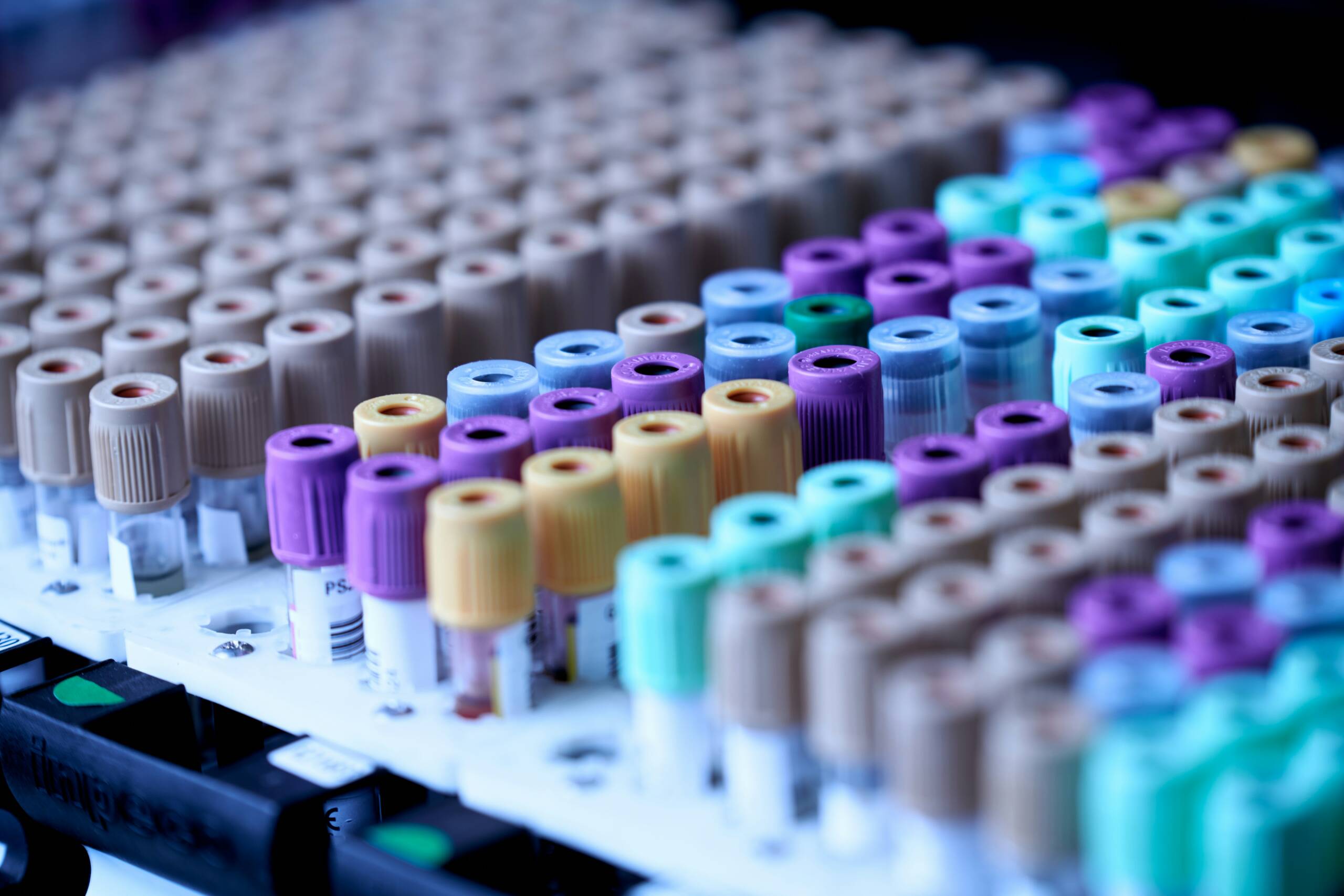
What a Proper Blood Panel Should Include
A proper evaluation should never rely on total testosterone alone. At minimum, labs should include:
- Total testosterone – the standard baseline measurement
- Free testosterone – the biologically active portion not bound to proteins
- Sex hormone-binding globulin (SHBG) – determines how much testosterone is actually available to your tissues
- LH and FSH – pituitary markers that help identify whether low testosterone originates in the testes or the brain’s signaling pathway, which changes the treatment approach entirely
- Estradiol – relevant to both symptoms and treatment monitoring
- Complete blood count – relevant to both baseline health and treatment safety
- Thyroid panel – thyroid dysfunction mimics many low-T symptoms and needs to be ruled out
- Lipid panel – relevant to overall cardiovascular and metabolic context
Numbers without symptoms do not automatically justify therapy. Symptoms without lab confirmation do not confirm deficiency either. Both need to align. For a full breakdown of what each of these markers actually means and how they interact, see our guide on interpreting testosterone labs.
Can You Have “Normal” Testosterone and Still Feel Low?
Yes. Some men fall within standard laboratory reference ranges but still experience real symptoms due to high SHBG, low free testosterone despite a normal total, individual sensitivity differences, or broader hormonal imbalance. This is exactly why interpretation has to combine lab data with symptom patterns rather than a single number in isolation. Our post on what “normal” testosterone actually means goes deeper into why reference ranges alone can be misleading.
Does Stress Lower Testosterone?
Yes. Chronic stress elevates cortisol, and elevated cortisol suppresses testosterone production over time. Poor sleep and ongoing psychological stress are two of the most underestimated hormonal disruptors, and stress management is often the first intervention worth trying before considering hormone therapy.
What Low Testosterone Is Not
It is not normal aging that should simply be ignored, a guaranteed diagnosis based on one bad day, a reason for self-directed hormone use, or a replacement for genuinely healthy habits. Responsible evaluation exists to prevent both over-treatment and under-treatment.
Frequently Asked Questions
How is low testosterone officially diagnosed?
Diagnosis requires both consistent symptoms and confirmed low levels on at least two separate morning blood tests, not a single reading.
Is testosterone replacement therapy safe in Colombia?
When supervised by qualified medical professionals with proper lab monitoring, testosterone therapy can be safe and effective. Improper dosing and a lack of ongoing monitoring are what introduce risk – which is why the clinic and process matter as much as the treatment itself. Our article on TRT risks and side effects covers what responsible monitoring actually looks like.
Can lifestyle changes reverse low testosterone?
In many men, yes. Weight loss, improved sleep, reduced alcohol intake, and resistance training can meaningfully improve levels without medication.
How long does it take to feel better after starting therapy?
Some men notice improvements in energy and libido within weeks. Body composition and strength changes typically take several months of consistent treatment.
Do younger men get low testosterone?
Yes. While more common after age 30-40, younger men can develop deficiency due to stress, obesity, certain medications, or underlying medical conditions.
Should treatment start based on symptoms alone?
No. Symptoms alone are never enough. Blood testing and a full medical evaluation are essential before any treatment decision is made.
The Bottom Line
Low testosterone is real, and it can significantly affect quality of life when clinically present. But it is also frequently oversimplified online, either dismissed entirely or blamed for symptoms it has nothing to do with.
If you recognize multiple persistent symptoms that cannot be explained by lifestyle factors, blood work is a reasonable next step. At TRT Optima, every evaluation starts with a full hormone and metabolic panel and a physician review, not a prescription based on a symptom checklist. You can see our full approach on our process page, or explore our hormone replacement therapy program directly.
Your first step is a comprehensive evaluation – you only pay for lab testing, and the initial medical review is free. Schedule your evaluation with TRT Optima to get clarity based on your actual numbers, not guesswork.