
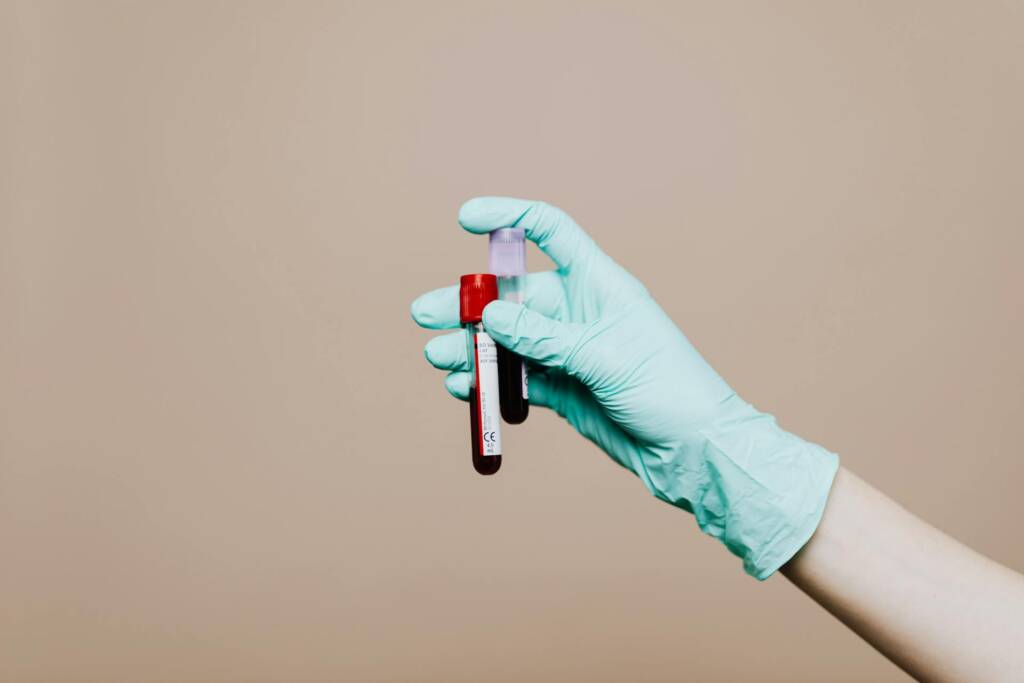
A “normal range” doesn’t automatically equal optimal health. And symptoms without lab data only tell part of the story.
If you are considering testosterone replacement therapy (TRT), or simply want to understand your hormone health better, it is essential to interpret your labs correctly and in full context – not as a single number in isolation.
Why Blood Work Matters More Than Symptoms Alone
Symptoms like fatigue, low libido, brain fog, and changes in body composition can stem from many different causes. Chronic stress, poor sleep, thyroid dysfunction, insulin resistance, depression, and nutrient deficiencies can all mimic low testosterone. If you want a full rundown of which symptoms actually correlate with low testosterone versus lifestyle overlap, see our guide on 9 signs of low testosterone you should never ignore.
That is why responsible evaluation begins with objective data. TRT should never be prescribed based solely on how someone feels – a proper diagnosis requires both laboratory confirmation and consistent clinical symptoms together.
Total Testosterone: What It Really Represents
Total testosterone measures the overall amount of testosterone circulating in the bloodstream. However, not all of it is active or usable. In the body, testosterone exists in three forms:
- Bound tightly to SHBG (Sex Hormone Binding Globulin) – largely inactive
- Bound loosely to albumin – partially available
- Free testosterone – unbound and biologically active
Total testosterone includes all three forms combined. Reference ranges from laboratories are broad and based on population averages, so a man can fall within the “normal” range and still experience real symptoms if the active portion is low. Total testosterone is an important starting point, but it never tells the full story on its own.
Free Testosterone: The Active Component
Free testosterone represents the fraction that isn’t bound and is available to tissues. This value often aligns more closely with symptoms than total testosterone does. Two men can have the same total testosterone level yet feel completely different depending on how much of it is actually free and usable – which is why free testosterone is often the more meaningful marker when evaluating symptoms.
SHBG: The Overlooked Variable
Sex Hormone Binding Globulin (SHBG) is a protein that binds tightly to testosterone and influences how much remains free. If SHBG is high, more testosterone becomes unavailable, free testosterone decreases, and symptoms may appear despite a normal total level. If SHBG is low, free testosterone may appear higher, and metabolic issues like insulin resistance may be present instead.
SHBG levels are affected by age, thyroid function, liver health, body fat percentage, and insulin sensitivity. Without measuring SHBG directly, it is genuinely difficult to accurately interpret testosterone status.
LH and FSH: What They Reveal About the “Why”
Total testosterone, free testosterone, and SHBG explain how much testosterone is available. Luteinizing hormone (LH) and follicle-stimulating hormone (FSH) explain why it might be low in the first place – and this distinction changes the entire treatment conversation.
These are pituitary hormones that signal the testes to produce testosterone. When they are measured alongside testosterone, the pattern reveals where the problem originates:
- Low testosterone with high LH/FSH – suggests the testes themselves are not responding properly (primary hypogonadism), even though the brain is sending a strong signal
- Low testosterone with low or normal LH/FSH – suggests the signal from the pituitary or hypothalamus is the limiting factor (secondary hypogonadism), which can sometimes be addressed without testosterone therapy itself
Skipping this step means treating the symptom without ever understanding the mechanism – which is a meaningful gap in a lot of testosterone evaluations done elsewhere.
Estradiol: A Necessary Hormone, Not an Enemy
Testosterone naturally converts into estradiol through a process called aromatization. Estradiol plays important roles in bone density, libido, mood regulation, and cardiovascular function.
There is a common misconception that estrogen should be aggressively suppressed in men. In reality, both excessively high and excessively low estradiol levels can cause problems, including mood shifts, water retention, joint discomfort, and changes in libido. The goal isn’t elimination – it’s balance.
Hematocrit: A Key Safety Marker
Testosterone stimulates red blood cell production, which can increase hematocrit levels. While this is a normal physiological response, excessive elevation may increase cardiovascular risk if left unmonitored. Routine blood work ensures levels stay within safe limits, and ongoing monitoring is essential for responsible long-term management – not a one-time check at the start of treatment. For a fuller picture of hematocrit and other safety considerations during therapy, see our article on TRT risks and side effects.
Lipids: Monitoring Cardiovascular Health
Testosterone therapy can affect cholesterol levels in some individuals. A comprehensive evaluation should include LDL, HDL, and triglycerides, since these markers help assess long-term cardiovascular risk. Hormone therapy should always consider metabolic health as a whole, not just hormone levels in isolation.
Can Testosterone Be “Normal” Yet Still Feel Low?
Yes. Lab reference ranges are based on broad populations and don’t account for individual sensitivity, differences in free testosterone, variations in SHBG, or overall symptom burden. Diagnosis requires both lab values and clinical evaluation together – and symptoms alone don’t justify therapy if labs are clearly normal and alternative causes haven’t been ruled out.
What Is Considered “Low”?
There isn’t a single universal cutoff that applies to everyone. A proper diagnosis usually requires consistently low testosterone levels across multiple tests, persistent symptoms, and sound clinical judgment. One borderline result isn’t enough – responsible clinicians look for trends and patterns, not isolated numbers.
Why Morning Testing Matters
Testosterone follows a circadian rhythm and is typically highest in the morning. Testing should generally be done between 7:00 AM and 10:00 AM, in a fasting state when possible, and on at least two separate occasions. Improper timing can lead to misleading results and an inaccurate picture of your actual hormone status.
When Labs Support Considering TRT (And When They Don’t)
TRT may be appropriate when total and/or free testosterone is consistently low, symptoms are significant and ongoing, lifestyle factors have already been addressed, and no contraindications exist.
TRT is not appropriate when labs are clearly within normal limits, symptoms are mild and lifestyle-related, or underlying medical conditions haven’t been evaluated yet. This distinction is what separates evidence-based medicine from trend-driven treatment.
The Bigger Picture: Hormones Are Only One Factor
Testosterone plays an important role in health, but it doesn’t override sleep quality, nutrition, stress management, physical activity, or overall metabolic health. Improving lifestyle habits often supports natural testosterone production on its own, and enhances outcomes if therapy does become necessary.
The Bottom Line
Interpreting testosterone labs isn’t about chasing a single number – it’s about understanding the full picture. A responsible evaluation considers total testosterone, free testosterone, SHBG, LH and FSH, estradiol, and safety markers like hematocrit and lipids, together, not in isolation.
At TRT Optima, every evaluation is built around this full picture rather than a single lab value. You can read more about our approach on our process page, or explore our hormone replacement therapy program directly.
If you are uncertain about your results, the most important next step isn’t self-treatment – it’s professional interpretation. Schedule a full evaluation with TRT Optima – you only pay for lab testing, and the initial medical review is free.