Fatigue
Persistent low energyLow energy can justify testing, especially when adequate sleep and ordinary lifestyle changes do not explain it.

Low testosterone treatment Colombia
Fatigue, low drive, brain fog, or poor recovery do not automatically mean you need TRT. Begin with a free hormone evaluation, lab review, and physician-guided diagnosis.
Fatigue · Low libido · Brain fog · Poor recovery
Repeated bloodwork · Cause evaluation · Physician review
In Colombia, the responsible starting point is a symptom-led evaluation followed by appropriate bloodwork. Recent labs can be reviewed first; missing tests can be arranged through Colombian partner laboratories. A licensed physician then decides whether results support low testosterone and which next step fits the cause.
The symptom field
Persistent clusters matter more than one isolated symptom.
Low energy can justify testing, especially when adequate sleep and ordinary lifestyle changes do not explain it.
Reduced sexual desire, motivation, or ambition may be hormone-related, but requires clinical context and lab confirmation.
Focus, memory, and mood symptoms can overlap with sleep, stress, thyroid, medication, and metabolic issues.
Slower recovery, strength decline, and increasing body fat may justify a hormone and metabolic review.
Low testosterone may be one explanation. Sleep disorders, thyroid changes, stress, metabolic health, medication effects, illness, or under-recovery can create a similar picture.
Possible causes
Treatment should address the clinical pattern—not simply chase a laboratory number.
When to test
Testing is not a commitment to treatment. It is how you replace assumptions with evidence.
Symptoms continue across weeks or months rather than following one difficult week.
Sleep, workload, training, and ordinary lifestyle changes do not fully account for how you feel.
Energy, sexual wellbeing, work, mood, strength, or recovery is materially affected.
Diagnostic proof
Endocrine guidance recommends confirming low testosterone with repeated morning testing and evaluating the cause. The exact panel depends on symptoms, age, history, and clinician judgment.
See the complete Colombia lab guideAt least two early-morning measurements are commonly used to confirm a consistently low result.
Free testosterone and SHBG may add context when total testosterone does not tell the full story.
LH and FSH help distinguish primary from secondary patterns; prolactin or thyroid tests may be relevant.
CBC, hematocrit, metabolic markers, lipids, and PSA when appropriate help guide next steps.
Diagnosis path
Document fatigue, libido or motivation changes, focus, recovery, sleep, strength, and body-composition changes.
If you already have bloodwork, TRT Optima can assess whether it is recent and complete enough for a useful review.
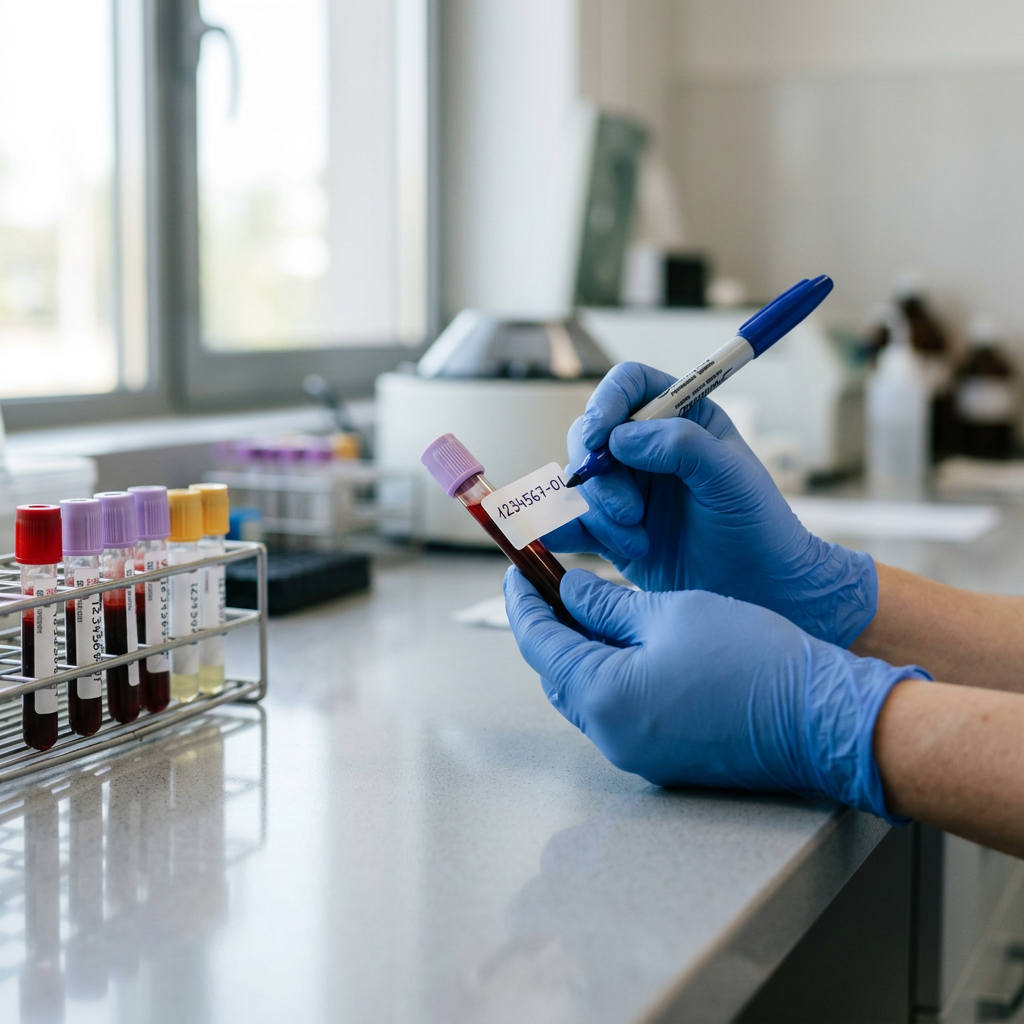
When key markers are absent, appropriate testing can be arranged through partner laboratories in Colombia.
A licensed physician considers symptoms, repeated results, possible causes, safety factors, and history before discussing treatment.
Have labs already? Upload them for review. Need testing? Start with the panel that fits your case.
Choose my starting pointA licensed physician may discuss TRT, potential benefits and risks, fertility plans, medication options, legal pharmacy coordination, and ongoing monitoring when treatment is clinically justified.
Review TRT in ColombiaThe next step may involve sleep, stress, weight or metabolic health, thyroid or pituitary review, medication changes, fertility-focused care, lifestyle work, or another medical pathway.
Review broader hormone careColombia context
01Recent bloodwork can be evaluated first.
02Missing tests can be arranged through partner laboratories.
03A licensed physician reviews the pattern before treatment decisions.
04Support is available in Medellín, Bogotá, and across Colombia where available.
The Endocrine Society recommends diagnosing hypogonadism only when compatible symptoms occur with unequivocally and consistently low testosterone, followed by further evaluation to understand the cause.
Read the clinical guidelineCommon questions
Clear answers for men who are still deciding whether their symptoms warrant testing.
Possible symptoms include persistent fatigue, reduced libido or sexual function, lower motivation, brain fog, mood changes, reduced strength, poor exercise recovery, increased body fat, and sleep changes. These symptoms overlap with many other conditions and cannot confirm low testosterone by themselves.
No. Current endocrine guidance requires compatible symptoms together with consistently low, accurately measured testosterone. Diagnosis commonly includes at least two early-morning testosterone tests plus clinician evaluation of the result and its possible cause.
Causes may be primary, involving the testes; secondary, involving pituitary or hypothalamic signaling; or related to potentially reversible factors such as obesity, sleep disorders, illness, medications, alcohol, nutritional issues, stress, or under-recovery. The pattern of testosterone, LH, FSH, SHBG, and other markers helps guide the investigation.
Testing is reasonable when symptoms persist, affect quality of life, or form a consistent pattern that is not explained by a temporary change. A clinician determines the right tests and whether repeat morning measurements are needed.
The evaluation can still identify a useful next step. That may involve sleep or stress work, weight and metabolic support, medication review, thyroid or pituitary evaluation, fertility-focused care, lifestyle changes, additional testing, or another clinician-guided pathway.
Not sure if it is low testosterone?
Upload recent bloodwork or ask TRT Optima to help arrange appropriate testing through partner laboratories in Colombia.
Educational information only. Diagnosis and treatment decisions must be made by a qualified licensed clinician. If you are experiencing a medical emergency, contact local emergency services.