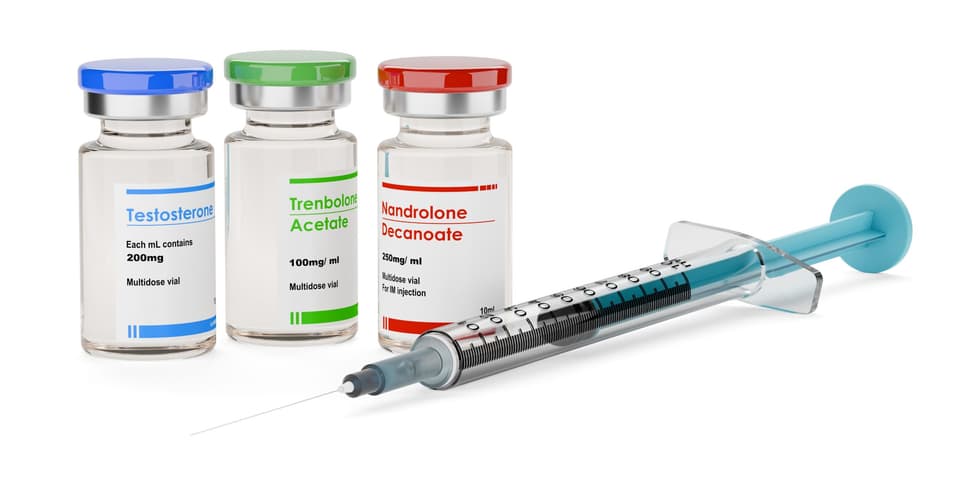
Is It Just Aging, or Hypogonadism? The Real Science Behind Low T
Hypogonadism explained: primary vs. secondary causes, how it's actually diagnosed, and why "low testosterone" and hypogonadism aren't the same thing.

Quick answer
Hypogonadism explained: primary vs. secondary causes, how it's actually diagnosed, and why "low testosterone" and hypogonadism aren't the same thing.
What Is Hypogonadism?
You have probably heard the term "low testosterone." Maybe a friend mentioned it, or an article caught your eye. But in medicine, "low T" is not a diagnosis, it is a symptom. The actual clinical diagnosis is called hypogonadism, and understanding it is the difference between guessing at a problem and treating its root cause.
Hypogonadism is a medical condition in which the body does not produce enough testosterone to maintain normal physiological function. According to the Endocrine Society's 2018 Clinical Practice Guidelines, male hypogonadism is defined as a clinical syndrome resulting from failure of the testes to produce physiological concentrations of testosterone and/or a normal number of sperm, confirmed by consistently low serum testosterone levels on at least two separate morning blood tests.
This distinction matters. A single blood test showing a low number is not a diagnosis. Symptoms alone are not a diagnosis. Hypogonadism requires both, confirmed low testosterone and clinical symptoms, before treatment is considered. At TRT Optima, this is the standard every patient is held to before any treatment decision is made.
The HPG Axis: How Your Body Produces Testosterone
To understand hypogonadism, you need to understand the system it disrupts. Testosterone production is not a simple on-off switch, it is regulated by a complex feedback loop called the hypothalamic-pituitary-gonadal (HPG) axis.
Here is how it works:
- The hypothalamus (a region of the brain) releases gonadotropin-releasing hormone (GnRH) in pulsatile patterns.
- GnRH signals the pituitary gland (also in the brain) to release two key hormones: luteinizing hormone (LH) and follicle-stimulating hormone (FSH).
- LH travels to the testes and stimulates Leydig cells to produce testosterone.
- Rising testosterone levels signal back to the hypothalamus and pituitary to reduce GnRH and LH output, a negative feedback loop that maintains homeostasis.
When any part of this axis malfunctions, testosterone production drops. The location of the malfunction determines the type of hypogonadism you have, and this distinction directly affects treatment strategy. For a detailed explanation of the blood markers used to evaluate this system, read our guide on what your testosterone lab results actually mean.
Primary vs. Secondary Hypogonadism: Two Very Different Problems
Not all hypogonadism is the same. Clinicians classify it into two major categories based on where the dysfunction originates, and the distinction has significant implications for diagnosis, treatment, and prognosis.
Primary Hypogonadism (Testicular Failure)
In primary hypogonadism, the problem originates in the testes themselves. The pituitary gland sends the correct signals, LH and FSH levels are actually elevated, because the brain is trying harder to stimulate testosterone production, but the testes cannot respond adequately.
Common causes include:
- Klinefelter syndrome - a genetic condition (47,XXY) affecting approximately 1 in 600 men, often undiagnosed until adulthood
- Undescended testes (cryptorchidism) - if not corrected early, can permanently impair Leydig cell function
- Testicular trauma or surgery - physical damage to the testes
- Orchitis - testicular inflammation, sometimes following mumps infection
- Cancer treatment - chemotherapy or radiation affecting the testes
- Varicocele - enlarged veins in the scrotum that can impair testosterone production over time
Lab signature: low testosterone plus elevated LH and FSH (the brain is "shouting louder" because the testes are not responding).
Secondary Hypogonadism (Pituitary or Hypothalamic Dysfunction)
In secondary hypogonadism, the testes are structurally capable of producing testosterone, but the brain does not send the right signals. LH and FSH levels are low or inappropriately normal despite low testosterone, the feedback system has failed at a higher level.
Common causes include:
- Pituitary tumors or damage - including prolactinomas, which can suppress GnRH
- Kallmann syndrome - a congenital condition involving absent or reduced GnRH production
- Obesity - excess adipose tissue increases aromatase activity, converting testosterone to estrogen, which suppresses the HPG axis. Research in this area has demonstrated a bidirectional relationship between obesity and hypogonadism.
- Opioid use - both prescription and recreational opioids directly suppress GnRH release
- Chronic illness - conditions like type 2 diabetes, sleep apnea, and chronic kidney disease
- Exogenous steroid use - prior use of anabolic steroids or testosterone without medical supervision suppresses the HPG axis, sometimes permanently. Our advanced support program specifically addresses recovery in these cases.
- Severe caloric restriction or overtraining - the body downregulates reproduction when survival is perceived to be at stake
Lab signature: low testosterone plus low or inappropriately normal LH and FSH (the brain is not sending adequate signals).
Why the Distinction Matters
| Problem location | Testes Brain (hypothalamus/pituitary) |
| LH/FSH levels | Elevated Low or inappropriately normal |
| Fertility preservation | More challenging Often possible with specific treatments |
| Reversibility | Usually requires lifelong TRT May be reversible if the underlying cause is treated |
| Treatment approach | Testosterone replacement May respond to clomiphene, hCG, or addressing the root cause |
This is exactly why a responsible TRT clinic never starts with a prescription. Diagnosis comes first, and the right diagnosis requires the right blood work. Our complete TRT lab panel guide walks through every marker a comprehensive evaluation should include and explains the critical difference between "within range" and clinically optimal.
Late-Onset Hypogonadism: The Most Common Form
The type of hypogonadism most men encounter is not congenital and is not caused by a tumor. It is late-onset hypogonadism (LOH), the gradual decline in testosterone production that accelerates with age, compounded by lifestyle factors.
Testosterone deficiency affects a meaningful share of the male population, with prevalence rising sharply with age and with conditions like obesity, diabetes, and hypertension, research places the rate at roughly 30% of men aged 40 to 79. By age 45, testosterone levels have typically declined 1-2% per year from their peak, and by age 60, many men are experiencing meaningful clinical symptoms.
But age alone does not tell the full story. Late-onset hypogonadism is accelerated by:
- Obesity and metabolic syndrome - the single strongest modifiable predictor of low testosterone
- Chronic sleep deprivation - research has shown that one week of sleeping only 5 hours per night reduced testosterone by 10-15% in young, healthy men. Our guide on the relationship between poor sleep and hormonal imbalance covers the full mechanism.
- Chronic stress - sustained cortisol elevation directly suppresses the HPG axis
- Sedentary lifestyle - physical inactivity accelerates hormonal decline
- Chronic alcohol use - directly toxic to Leydig cells and suppresses GnRH release
- Medication effects - including opioids, corticosteroids, and certain antidepressants
The important clinical takeaway: late-onset hypogonadism often has a reversible component. Addressing weight, sleep, and stress can meaningfully improve testosterone levels, sometimes enough to avoid medical intervention entirely. Our article on 10 science-backed ways to boost testosterone naturally covers the evidence-based strategies that should be explored before or alongside any clinical treatment. For a complete framework on deciding whether lifestyle changes are enough or medical treatment is needed, see our guide on whether you actually need TRT or if natural methods will work. For detailed information on age-related testosterone changes, see our guide to normal testosterone levels by age.
Not sure if your symptoms point to hypogonadism? Schedule a comprehensive hormone evaluation.
Symptoms of Hypogonadism: More Than Just Low Libido
Hypogonadism affects nearly every system in the male body. While most men first notice changes in energy and sexual function, the condition has far broader consequences that many physicians, and patients, overlook.
Physical Symptoms
- Persistent fatigue and low energy, not relieved by rest or sleep
- Loss of muscle mass and strength, progressive, despite adequate exercise
- Increased body fat, especially visceral (abdominal) fat accumulation
- Decreased bone mineral density, increasing fracture risk over time
- Hot flashes or night sweats, more common in severe cases
- Anemia, testosterone stimulates erythropoietin production; low T can reduce red blood cell counts
Sexual and Reproductive Symptoms
- Reduced libido, often the most noticed symptom
- Erectile dysfunction, particularly in combination with other vascular risk factors
- Reduced sperm production, fertility implications, especially relevant for younger men
- Decreased testicular volume, a physical finding on examination
Cognitive and Psychological Symptoms
- Brain fog and impaired concentration, difficulty focusing, slower processing
- Depression and low mood, often misdiagnosed as a primary psychiatric condition
- Irritability and emotional instability, disproportionate reactions to minor stressors
- Loss of motivation, a pervasive sense of apathy affecting work and relationships
Many of these symptoms overlap with other conditions, depression, thyroid dysfunction, sleep apnea, or simple burnout. This is precisely why a comprehensive blood panel, not a symptom checklist, is the foundation of proper diagnosis. For a detailed review of the most common warning signs, see our article on the 12 signs of low testosterone every man should recognize.
How Hypogonadism Is Diagnosed
Diagnosing hypogonadism follows a structured clinical protocol. Responsible practice, and international guidelines, require more than a single test or a subjective symptom survey.
Step 1: Clinical Assessment
A thorough medical history and symptom evaluation, including sexual function, energy levels, mood changes, and any medications or supplements being taken. Prior anabolic steroid use, opioid use, and relevant medical conditions are specifically documented.
Step 2: Laboratory Confirmation
At least two morning blood tests showing low total testosterone are required. Testing must occur in the morning (typically before 10:00 AM) because testosterone follows a circadian rhythm and peaks in early morning hours. And the evaluation must go well beyond a single testosterone reading, our complete guide to the hormone panel explains which markers are necessary for an accurate diagnosis and why each one belongs on the requisition.
The comprehensive hormone panel should include:
| Total Testosterone | Primary diagnostic marker, must be below reference range on two tests |
| Free Testosterone | Bioavailable testosterone, critical when SHBG is elevated |
| LH & FSH | Differentiates primary from secondary hypogonadism |
| Estradiol (E2) | Assesses aromatization, important for treatment planning |
| SHBG | Explains discrepancies between total and free testosterone |
| Prolactin | Elevated levels suggest pituitary pathology requiring imaging |
| TSH, T3, T4 | Rules out thyroid dysfunction, which mimics low T symptoms |
| CBC (Hematocrit) | Baseline safety marker and monitors for polycythemia |
| PSA | Prostate health screening before initiating testosterone therapy |
| Glucose & Insulin | Evaluates metabolic health, insulin resistance contributes to hypogonadism |
Step 3: Differential Diagnosis
Before confirming hypogonadism, other conditions that can lower testosterone must be excluded or identified:
- Obstructive sleep apnea, severely disrupts nocturnal testosterone production
- Thyroid disorders, both hypo- and hyperthyroidism affect sex hormone levels
- Hyperprolactinemia, may indicate a pituitary adenoma requiring imaging
- Type 2 diabetes, strongly associated with secondary hypogonadism
- Medication effects, opioids, glucocorticoids, and certain antidepressants suppress the HPG axis
Treatment Options for Hypogonadism
Treatment depends on the type, severity, and the patient's individual circumstances, particularly whether fertility preservation is a concern.
Testosterone Replacement Therapy (TRT)
For men with confirmed hypogonadism who do not need to preserve fertility in the near term, testosterone replacement therapy is the standard of care. The goal is to restore testosterone to the normal physiological range, not to exceed it.
In Colombia, injectable testosterone (cypionate and enanthate) is the most widely available and cost-effective delivery method. For a detailed comparison of injection types, frequencies, and what to expect from treatment, see our complete guide to TRT injections. Our comprehensive guide to TRT in Colombia covers the full treatment process from labs to protocol.
The landmark TRAVERSE trial (2023), involving over 5,000 men, confirmed that testosterone therapy does not increase the incidence of major adverse cardiovascular events, addressing one of the most persistent safety concerns about treatment. For a complete analysis of risks versus benefits, read our article on TRT side effects: separating facts from fear.
Clomiphene Citrate and hCG
For men with secondary hypogonadism who wish to preserve fertility, alternatives to direct testosterone replacement exist. Clomiphene citrate (an off-label use) blocks estrogen receptors in the hypothalamus, stimulating increased GnRH, LH, and FSH production, thereby increasing testosterone output from the testes while maintaining sperm production.
Human chorionic gonadotropin (hCG) mimics LH and directly stimulates the testes, maintaining both testosterone production and spermatogenesis. It is sometimes used alongside TRT or as a standalone therapy in specific clinical scenarios.
Clinical research on clomiphene in men with secondary hypogonadism has found it effective at raising testosterone levels while preserving fertility parameters, making it a reasonable option for men who want to avoid the fertility suppression associated with direct testosterone replacement.
Addressing Underlying Causes
In cases of secondary hypogonadism where a reversible cause is identified, treating the root issue may restore testosterone production without hormone therapy:
- Weight loss - reducing body fat by 10-15% can significantly improve testosterone levels in obese men
- Treating sleep apnea - CPAP therapy can restore nocturnal testosterone production
- Discontinuing offending medications - under medical supervision, tapering opioids or switching antidepressants
- Managing metabolic conditions - improving insulin sensitivity through diet, exercise, and medication when needed
At TRT Optima, we evaluate the complete picture. If your hypogonadism has a reversible component, we will identify it and address it, even if that means recommending lifestyle changes before prescribing medication.
Get properly diagnosed. Schedule your comprehensive hormone evaluation with TRT Optima.
Hypogonadism and Long-Term Health Risks
Untreated hypogonadism is not merely inconvenient. It is associated with serious long-term health consequences that extend well beyond low energy and reduced libido.
Clinical research has demonstrated associations between low testosterone and increased cardiovascular mortality, while additional evidence links untreated hypogonadism to:
- Osteoporosis and fractures - testosterone is critical for maintaining bone mineral density in men
- Type 2 diabetes - the relationship is bidirectional: low testosterone increases insulin resistance, and diabetes suppresses testosterone
- Metabolic syndrome - increased visceral fat, dyslipidemia, and hypertension
- Depression - hormonal dysfunction contributes to treatment-resistant mood disorders
- Sarcopenia - progressive loss of muscle mass and function, accelerating physical decline
- Reduced quality of life - chronic fatigue, cognitive decline, and relationship strain
This is why hypogonadism deserves the same clinical seriousness as hypothyroidism, diabetes, or any other endocrine disorder. It is not vanity. It is medicine.
Hypogonadism in Colombia: Access and Awareness
Colombia's healthcare system offers significant advantages for men seeking evaluation and treatment for hypogonadism:
- Comprehensive laboratory networks - certified labs in Bogotá, Medellín, and other major cities offer full hormone panels at a fraction of US or European costs
- Affordable treatment - injectable testosterone and ancillary medications are significantly less expensive than in North America. See our pricing page for a full cost breakdown.
- Clear legal framework - testosterone is legally available with a medical prescription and is not classified as a controlled substance under physician supervision
- Growing medical expertise - an increasing number of Colombian physicians specialize in endocrinology and hormonal medicine
However, awareness remains a challenge. Many men in Colombia, and in the growing expat community, do not recognize hypogonadism as a treatable medical condition. The stigma around "hormone therapy" and the confusion between medical TRT and recreational steroid use prevent thousands of men from seeking help they genuinely need.
If you want a single, comprehensive reference that covers everything about TRT in Colombia, from understanding the diagnosis and legal framework to accessing treatment, comparing costs, and monitoring safely, our guide to whether testosterone is legal in Colombia is a comprehensive companion resource.
Frequently Asked Questions
Is hypogonadism the same as "low testosterone"?
Not exactly. Low testosterone is a lab finding, a number on a blood test. Hypogonadism is the clinical diagnosis that combines confirmed low testosterone levels (on at least two morning tests) with characteristic symptoms. You can have a low reading without hypogonadism if you are asymptomatic, and treatment decisions should be based on the full clinical picture.
Can hypogonadism be reversed without medication?
In some cases, yes, particularly when secondary hypogonadism is caused by obesity, sleep apnea, medication effects, or chronic stress. Addressing these underlying factors can restore testosterone production. However, primary hypogonadism (testicular failure) typically requires lifelong treatment.
How do I know if I have primary or secondary hypogonadism?
The distinction is made through blood work. If LH and FSH levels are elevated alongside low testosterone, it suggests primary (testicular) hypogonadism. If LH and FSH are low or normal despite low testosterone, it points to secondary (brain-level) hypogonadism. A comprehensive hormone panel is essential for accurate classification.
Does hypogonadism affect fertility?
Yes, hypogonadism can impair sperm production. Importantly, testosterone replacement therapy itself suppresses spermatogenesis. For men who wish to preserve fertility, alternatives like clomiphene citrate or hCG may be more appropriate. This should be discussed with your physician before starting any treatment.
At what age should men be concerned about hypogonadism?
While late-onset hypogonadism becomes more common after age 40, the condition can occur at any age. Congenital forms like Klinefelter syndrome or Kallmann syndrome are present from birth, and secondary hypogonadism from obesity, medications, or illness can affect men in their 20s and 30s. If you are experiencing symptoms, age alone should not determine whether you get tested.
The Bottom Line
Hypogonadism is not a buzzword or a marketing term, it is a recognized endocrine disorder with clear diagnostic criteria, well-studied treatment protocols, and serious consequences when left untreated. Whether it originates in the testes, the brain, or from the cumulative effects of aging and lifestyle, the path forward is the same: accurate diagnosis through comprehensive blood work, followed by a treatment plan tailored to your specific type and circumstances.
The most important step any man can take is to stop normalizing the symptoms. Chronic fatigue, low motivation, declining libido, and unexplained weight gain are not inevitable consequences of aging. They may be signs of a treatable condition, and the only way to know is to get tested. Women experience their own form of hormonal decline during perimenopause and menopause, with overlapping symptoms including fatigue, mood changes, and cognitive disruption. Our guide to HRT for women in Colombia explains how these conditions are diagnosed and treated.
Schedule your comprehensive hormone evaluation with TRT Optima.
This article is educational and does not replace professional medical advice. Diagnosis, prescriptions and treatment decisions are made by licensed physicians.