
Quick answer:
- Most men do not experience all the benefits of TRT within the first few weeks.
- Sexual interest is often one of the earliest improvements, while changes in energy, mood, body composition, and strength typically develop over several months.
- Your first bloodwork should not simply confirm that testosterone increased, it should determine whether your dose is actually producing the intended clinical response.
- At TRT Optima, patients complete their first structured physician review approximately 8 weeks after starting treatment, another review 3 months later, and then every 6 months once the protocol is stable.
- The first year is rarely a straight line. The combination of symptom tracking, laboratory monitoring, physician review, and ongoing communication is what turns a starting dose into an optimized long-term treatment plan.
Why the First Year Feels Different Than Most Men Expect
Most articles about testosterone replacement therapy focus on the destination.
They promise more energy, better libido, improved body composition, greater confidence, stronger workouts, and a better quality of life.
Very few explain what actually happens between your first injection and that destination.
That gap matters.
Many men begin TRT expecting to wake up a few weeks later feeling like a different person. When that doesn’t happen, they start wondering whether the treatment is working, whether the dose is wrong, or whether they made a mistake altogether.
In reality, the first year of TRT is a process of gradual adaptation rather than an overnight transformation.
Different tissues in the body respond to testosterone at different speeds. Some effects may begin within a few weeks, while others continue developing for many months. Improvements also depend on factors that testosterone cannot replace, including sleep, nutrition, exercise, stress, underlying medical conditions, and whether low testosterone was actually the cause of the original symptoms.
Understanding that timeline before you begin treatment helps set realistic expectations and prevents one of the most common mistakes new patients make: judging a long-term therapy based on how they feel after only a few weeks. If you are still deciding whether TRT is the right starting point at all, our guide on what TRT is and how it works is a good place to start before diving into this timeline.
This guide walks through your first year honestly, what is happening biologically, what changes patients commonly notice, when physicians typically evaluate progress, and how TRT Optima structures monitoring to keep treatment moving in the right direction.
Before We Talk About Symptoms, Let’s Talk About Biology
Understanding what happens during the first several weeks explains almost everything else in this article.
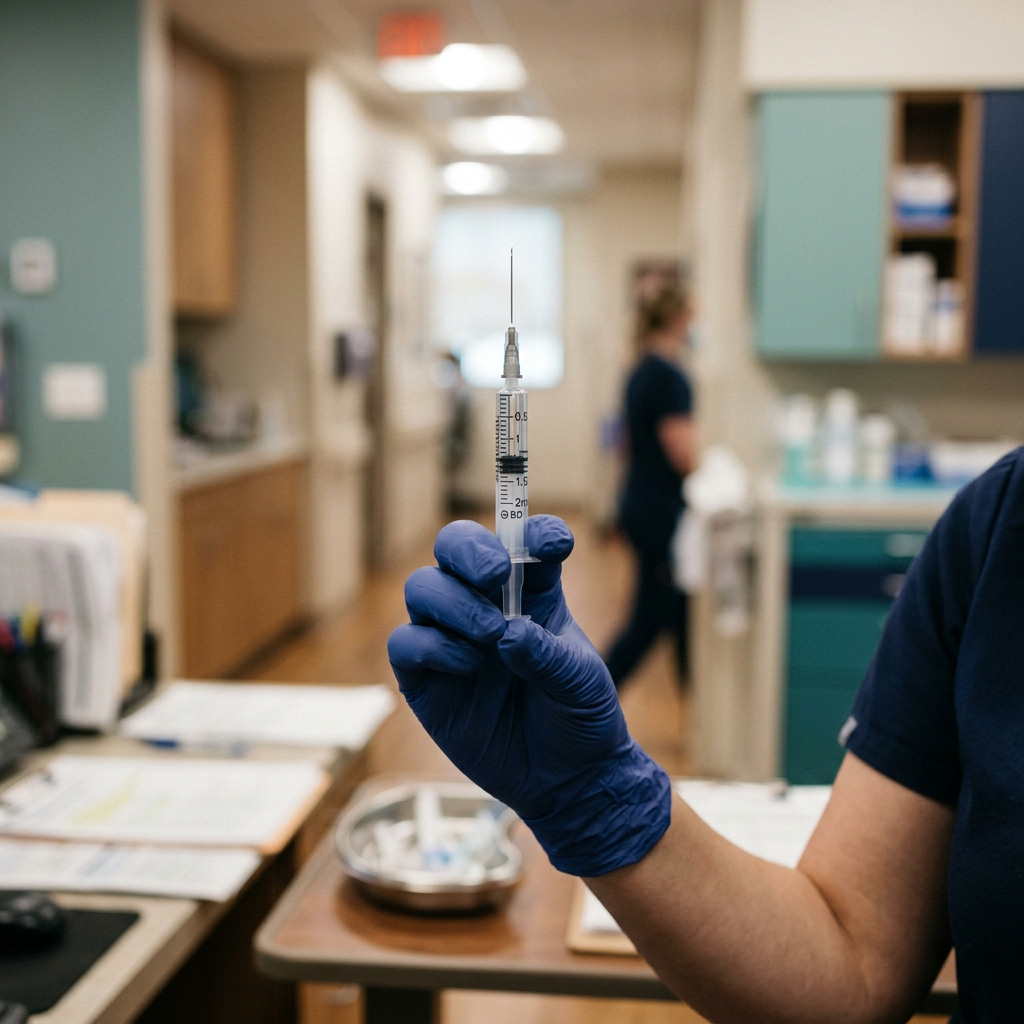
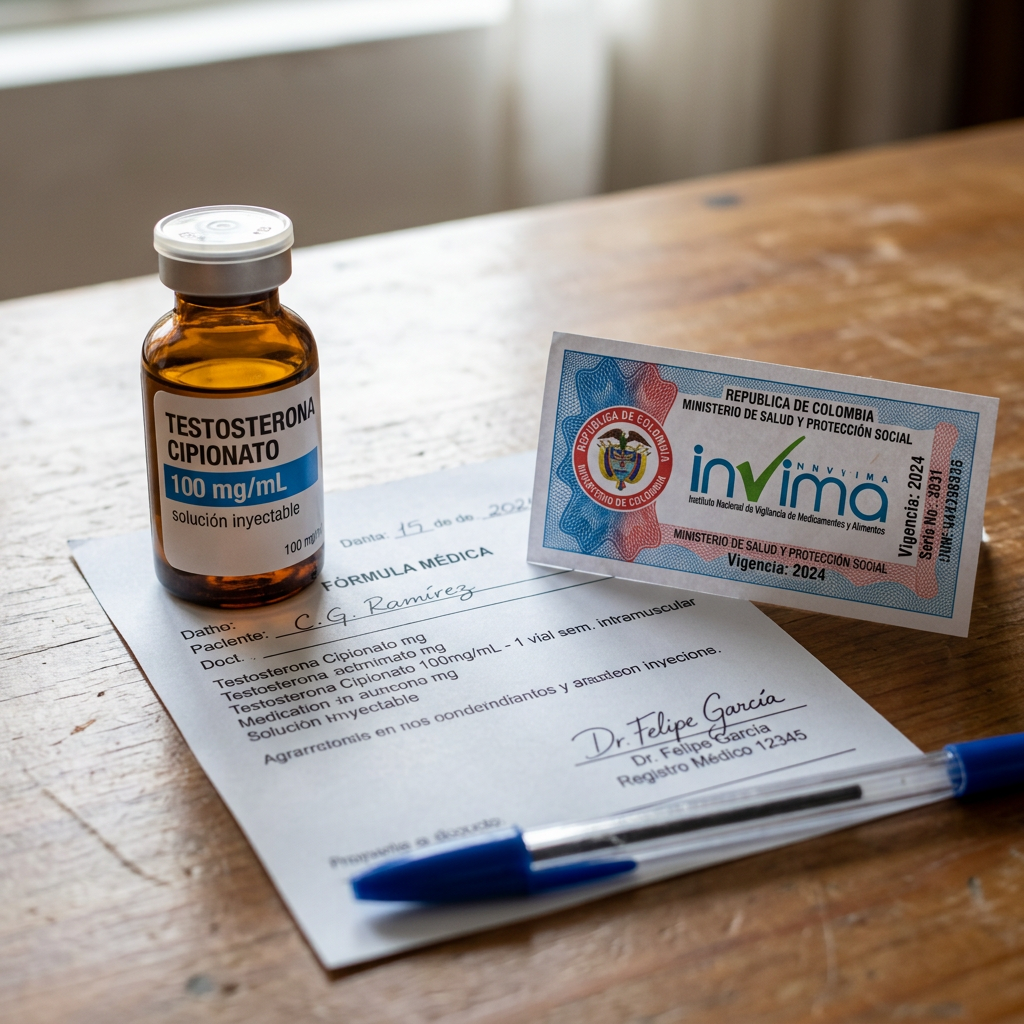
Most men beginning TRT at TRT Optima receive a long-acting injectable testosterone ester such as testosterone cypionate or testosterone enanthate. Our guide on TRT injections, types, and frequency covers the specifics of these formulations, injection technique, and what the first injection actually feels like, if you want that detail alongside this timeline.
Unlike taking a painkiller, testosterone does not reach its long-term pattern after a single dose.
Each injection adds to what is already in your system. Over several weeks, your hormone levels gradually settle into a predictable pattern determined by your dose, injection frequency, metabolism, and the medication being used.
During this period, your physician is not simply waiting for testosterone levels to increase.
Your body is adapting.
The hypothalamic-pituitary-gonadal (HPG) axis begins responding to the external testosterone. Natural LH and FSH production decreases, red blood cell production begins changing, androgen receptors throughout the body are exposed to a new hormonal environment, and different organs begin responding on their own timelines.
That is why physicians generally avoid making major conclusions after only one or two injections.
Early improvements, or the absence of them, do not reliably predict how you will feel several months later.
By approximately six to eight weeks, a consistent injection schedule has usually provided enough time for both laboratory values and symptom patterns to become far more meaningful than they were during the first month. This aligns with, and in practice is somewhat tighter than, the monitoring intervals described in the Endocrine Society’s own clinical practice guideline.2,5
That is exactly why TRT Optima schedules its first structured physician review at approximately eight weeks rather than trying to optimize treatment after only a couple of injections.
Weeks 1-2: Early Adjustment and First Impressions
The first two weeks are usually less dramatic than many people expect.
Physically, most patients are simply learning the routine.
If you are injecting yourself, you become more comfortable preparing the medication, choosing an injection site, and developing confidence with the technique. Mild soreness or bruising at the injection site can occur and is usually temporary.
Inside the body, testosterone levels are beginning to rise, but the hormonal system is still adjusting.
Some men report feeling more motivated, optimistic, or energetic surprisingly early.
Others feel absolutely nothing.
Both experiences can be completely normal.
Some of these early changes may reflect small hormonal shifts, the psychological relief of finally beginning treatment, improved optimism after receiving a diagnosis, or normal day-to-day variation.
The important point is this:
Do not judge your TRT protocol after one or two weeks.
Likewise, do not panic if you feel no different.
Neither experience reliably predicts where you will be several months from now.
Weeks 3-7: When the First Real Changes Begin
This is usually the period when the earliest genuine physiological changes begin appearing.
For many men, sexual interest is among the first symptoms to improve.
Large reviews of testosterone therapy suggest libido may begin improving within approximately three weeks, with continued improvement over the following months, although the exact timing varies considerably between individuals.1
Erectile function, however, often follows a different timeline.7,8
While some men notice improvements early, others require several months before erections improve substantially, particularly when vascular disease, diabetes, medications, or psychological factors also contribute to erectile dysfunction rather than testosterone deficiency alone.

Mood and energy frequently begin changing during this period as well.
Some patients describe waking up feeling more rested.
Others notice that they no longer need an afternoon nap.
Some simply realize that daily tasks feel easier than they did before treatment.
For many men, these improvements happen gradually enough that family members notice them before the patient does.
One of the biggest mistakes during this stage is comparing yourself to someone else’s timeline.
TRT is not like recovering from surgery, where everyone follows roughly the same path.
Two patients with identical testosterone levels can experience very different symptom patterns depending on:
- Sleep quality
- Nutrition
- Exercise habits
- Stress
- Depression or anxiety
- Obesity
- Thyroid function
- Medications
- Alcohol use
- Underlying health conditions
Testosterone creates the hormonal environment for improvement.
It does not eliminate every other variable affecting how you feel.
Week 8: Your First Optimization Review
This is where TRT changes from starting treatment to optimizing treatment.
By approximately eight weeks, your physician finally has enough information to answer an important question:
Is this protocol actually working for you?
Notice that the question is not simply:
“Has your testosterone increased?”
Almost every properly administered TRT protocol increases testosterone.
The real question is whether the dose, injection frequency, and overall treatment plan are producing the clinical improvements they were intended to produce while remaining safe.
At TRT Optima, the first optimization review includes much more than reviewing a single laboratory number.
It typically includes:
- Review of your symptoms since treatment began
- Discussion of libido, energy, mood, recovery, sleep, and overall wellbeing
- Bloodwork appropriate for your treatment plan, commonly including testosterone and a complete blood count with hematocrit, with additional tests when clinically indicated
- Review of side effects
- Blood pressure and other relevant health changes
- Review of your ongoing WhatsApp conversations with the care team
- Physician assessment of whether any dose or protocol adjustment is appropriate
This last point is particularly important.
Many patients assume that requiring a dose adjustment means the original prescription was “wrong.”
That is not how modern hormone optimization works.
The initial prescription is an informed starting point.
The first several weeks provide real-world information about how your body responds to that dose.
If an adjustment is recommended at eight weeks, that usually reflects good medical care rather than a failed treatment plan.
Some patients require no changes at all.
Others benefit from adjusting the dose, injection frequency, or other aspects of their protocol.
Either outcome is completely normal.
Rather than trying to force every patient into the same protocol, TRT Optima uses this first optimization review to begin individualizing treatment based on objective laboratory data, physician assessment, and, equally importantly, how the patient actually feels. Our guide on interpreting testosterone labs explains what each of these markers actually means and why each one belongs in a proper panel.
The Next Three Months: Living on Your Optimized Protocol
If your eight-week review resulted in a dose or frequency adjustment, this is the period where that decision begins to show its full effect.
One of the biggest misconceptions about TRT is that every improvement should happen at the same speed. In reality, different tissues throughout the body respond to testosterone on different timelines, and improvements in one symptom often occur well before another.
It is common for a patient to notice that libido has improved significantly while energy still feels inconsistent. Another patient may feel mentally sharper but see very little change in the gym. Neither situation necessarily means something is wrong. Testosterone is only one part of the equation, and every symptom reflects multiple biological systems working together.
This is also the stage where many patients stop comparing themselves to how they felt before treatment and begin comparing themselves to how they think they should feel.
That comparison is often where frustration begins.
Social media has conditioned many men to believe TRT produces dramatic transformations within a matter of weeks. In reality, the published medical literature paints a much slower and far more realistic picture. Improvements continue building gradually over months, and some of the most meaningful changes are subtle enough that patients often recognize them only when looking back.
Instead of asking yourself, “Why don’t I feel amazing yet?”, a better question is:
“Am I steadily improving compared with where I started?”
That is exactly what ongoing monitoring is designed to answer.
Progress Is Rarely Linear
One of the most reassuring things a physician can tell a new TRT patient is that progress is rarely a straight line.
You may have an excellent week followed by an average week.
You may sleep poorly for several nights and suddenly feel as though TRT has stopped working.
You might begin a new exercise program, lose body fat, or experience an unusually stressful month at work, all of which can influence how you feel independent of your testosterone level.
This is why experienced clinicians avoid making treatment decisions based on a single good day or a single bad day.
Instead, they look for trends.
Are your symptoms gradually improving?
Is your energy better than it was two months ago?
Are you recovering more quickly after training?
Has your libido become more consistent?
Are your laboratory values moving in the right direction while remaining within a safe range?
Those are the questions that matter.
This is also why TRT Optima encourages patients to communicate between scheduled appointments rather than waiting months to mention something important.
A brief WhatsApp conversation about a symptom today often provides far more useful context than trying to remember how you felt several months later during your next physician visit.
Body Composition: When Most Men Begin Seeing Visible Changes
For many patients, this is the part of TRT they look forward to most.
It is also the area where expectations are often least realistic.
Published studies consistently show that improvements in lean body mass and reductions in fat mass generally become measurable over approximately three to six months, with additional improvements continuing beyond that point in many patients.1, 9
A common misconception is that testosterone has no meaningful effect on muscle unless you are lifting weights. The research tells a more nuanced story.
In a landmark randomized trial published in the New England Journal of Medicine, healthy men receiving testosterone without any exercise still experienced statistically significant increases in muscle size and strength compared with men receiving placebo. Even without resistance training, testosterone produced measurable gains in lean tissue and muscular performance. Specifically, quadriceps muscle area increased by an average of 607 mm² in the testosterone group, compared with a decrease of 131 mm² in the placebo group, while squat strength improved by approximately 16 kg versus 3 kg in the placebo group.11
Testosterone alone had a real, measurable effect.
That does not mean every man will experience dramatic visual changes. Body composition is still heavily influenced by factors such as age, baseline fitness, nutrition, sleep, genetics, overall health, and how consistently you train.
More importantly for men actually receiving TRT, studies using replacement-dose testosterone in hypogonadal men have demonstrated the same overall pattern: appropriately prescribed testosterone therapy increases lean body mass, muscle size, and strength even without a structured exercise program, although the magnitude of those gains is naturally smaller than those seen with supraphysiological doses.9, 7
The most important finding from the original trial, however, was not that testosterone worked without exercise, it was that combining testosterone with resistance training produced substantially greater improvements than either intervention alone. Men who combined testosterone with structured weight training gained approximately 6.1 kg of fat-free mass and increased squat strength by 38%, outperforming both the testosterone-only and exercise-only groups.11
The practical takeaway is simple: testosterone creates a more favorable physiological environment for building muscle, but your lifestyle determines how much of that potential you actually realize. Patients who consistently perform resistance training, consume adequate protein, prioritize sleep, and maintain healthy lifestyle habits generally experience substantially greater improvements than patients who rely on testosterone alone.
One important caveat: the landmark 1996 study used 600 mg of testosterone per week, a supraphysiological dose well above the 100-200 mg weekly typically used in testosterone replacement therapy. The magnitude of muscle gain observed in that trial should therefore not be expected in men receiving conventional TRT. However, the underlying finding, that testosterone independently contributes to increases in lean body mass, and that resistance training amplifies those effects, has been consistently supported by later research using therapeutic replacement doses.9

Approximately Three Months Later: Your Second Optimization Review
Roughly three months after your first optimization review comes your second structured physician assessment.
By now, your physician is no longer asking whether the original prescription was appropriate.
The question has evolved.
“Did the optimized protocol achieve the outcome we were aiming for?”
This is an important distinction.
If adjustments were made during your eight-week review, sufficient time has now passed for both laboratory values and symptom changes to reflect those modifications.
At TRT Optima, this visit again combines multiple sources of information rather than relying on laboratory numbers alone.
Your physician reviews:
- Updated bloodwork appropriate to your treatment plan
- Changes in symptoms since the previous visit
- Side effects or new medical issues
- Your ongoing communication with the care team
- Your overall progress toward the goals established when treatment began
For many patients, this is the appointment where the protocol begins feeling truly individualized.
Rather than asking whether testosterone therapy works in general, the discussion becomes focused on whether your protocol is producing the desired balance of symptom improvement, safety, and long-term sustainability.
Some patients require no further adjustments.
Others benefit from small refinements in dose, injection frequency, or monitoring.
Neither outcome represents success or failure.
Both represent good medical care.
What Should Never Be Ignored Between Visits
Although scheduled monitoring is an essential part of TRT, no patient should feel that every concern needs to wait until the next appointment.
Contact your physician or care team promptly if you experience:
- Significant swelling in one leg.
- Chest pain or difficulty breathing.
- Persistent severe headaches.
- Marked increases in blood pressure.
- Signs of infection at an injection site, including increasing redness, warmth, swelling, or fever.
- Difficulty urinating or significant changes in urinary symptoms.
- Rapid or concerning mood changes.
- New or worsening breast tenderness or enlargement.
- Any symptom that feels significantly different from your usual pattern.
Most new symptoms turn out to have explanations that are far less serious than patients initially fear.
However, it is always better to discuss a concern early than to assume it is simply part of “adjusting to TRT.”
Good hormone management is built on communication just as much as laboratory testing. Our guide on TRT side effects: separating facts from fear covers each of these warning signs in more depth, including what is genuinely concerning versus what is a normal, manageable part of treatment.
Months 6-12: This Is Where TRT Starts Feeling Normal
One of the biggest misconceptions surrounding testosterone replacement therapy is that the goal is to constantly feel something.
It isn’t.
By six months, many patients stop thinking about TRT every day.
Ironically, that’s often one of the clearest signs the treatment is working.
During the first few weeks, every injection feels significant. Every good workout is attributed to testosterone. Every bad day creates doubt. Patients naturally become hyper-aware of every physical and emotional change because everything feels new.
By the second half of the first year, that usually begins to disappear.
Instead of wondering whether the treatment is working, patients simply begin living their lives again.
Energy becomes more consistent.
Morning motivation becomes more predictable.
Recovery after training improves.
Libido often feels less variable.
The improvements become less exciting, not because they are disappearing, but because they have become your new normal.
That is ultimately what successful TRT should feel like.
The goal isn’t to create weekly highs.
The goal is stable health over many years.
What Continues Improving During the Second Half of the First Year?
Although many early symptoms have already begun improving, several physiological changes continue developing throughout the remainder of the first year.
Studies have shown that improvements in lean body mass, reductions in fat mass, muscle strength, and physical performance continue for many months after treatment begins, particularly when combined with resistance training and appropriate nutrition.9,7
These changes are driven by far more than testosterone alone.
They reflect the cumulative effect of:
- Consistent hormone levels.
- Regular resistance training.
- Adequate protein intake.
- Improved recovery.
- Better sleep.
- Improved motivation to remain physically active.
Likewise, improvements in bone mineral density occur much more slowly than changes in libido or energy.
Bone remodeling is a gradual biological process measured over months and years rather than weeks. In men with low bone density related to hypogonadism, TRT may contribute to improved bone health over time, although repeat bone-density scanning is generally reserved for patients whose baseline risk makes it clinically appropriate.7,8
This is an important reminder that some of the most valuable benefits of testosterone replacement therapy are not immediately visible.
Lower fracture risk twenty years from now is far less exciting than a better workout tomorrow, but it may ultimately be one of the more important long-term benefits of appropriate treatment.
Why Stable TRT Should Eventually Become Boring
Patients are sometimes surprised when we tell them that successful TRT eventually becomes… boring.
We mean that in the best possible way.
The goal of hormone replacement is not to chase dramatic weekly changes.
It is to create a stable hormonal environment where your body can function normally for years.
When treatment is well managed, most patients eventually stop asking questions like:
- “Can I feel my testosterone wearing off?”
- “Was today’s workout because of TRT?”
- “Should I increase my dose?”
- “Is this normal?”
Instead, testosterone simply becomes another part of their healthcare routine, much like treating high blood pressure or managing thyroid disease.
That consistency is exactly what physicians are trying to achieve.
Patients who continually chase higher doses in pursuit of feeling better every week often create more problems than they solve.
Higher testosterone levels do not automatically produce better long-term outcomes, and unnecessarily aggressive dosing increases the likelihood of side effects without guaranteeing additional clinical benefit.
One of the defining characteristics of good hormone management is knowing when not to change a protocol that is already working well.
From Optimization to Long-Term Monitoring
By this point, most patients have completed:
- Initial diagnosis and treatment.
- Their first optimization review at approximately eight weeks.
- A second physician review roughly three months later.
If symptoms are well controlled, laboratory results remain appropriate, and no significant changes have occurred, the focus shifts from optimization to long-term monitoring.
At TRT Optima, this generally means physician review and bloodwork approximately every six months.
The purpose of these visits is very different from the first two reviews.
Rather than asking whether testosterone therapy is working, long-term monitoring asks:
- Is the current protocol still appropriate?
- Have laboratory values remained within acceptable ranges?
- Has hematocrit changed?
- Has body weight changed significantly?
- Have other medical conditions developed?
- Have new medications been started?
- Has sleep, stress, or lifestyle changed?
- Are treatment goals still the same as they were when therapy began?
These appointments are designed to identify small changes before they become larger problems.3,4,6,10
Most long-term TRT patients remain on very similar protocols for years.
That does not mean they no longer require monitoring.
The body changes over time.
Patients age.
Health conditions evolve.
Medications change.
Good hormone management adapts alongside those changes rather than assuming the same prescription will remain ideal forever.
Your First Year on TRT at a Glance
| Time | What Is Usually Happening | TRT Optima Monitoring |
|---|---|---|
| Weeks 1-2 | Learning injections, early hormonal adjustment, expectations forming. | Unlimited communication with the care team if questions arise. |
| Weeks 3-7 | Early changes in libido, mood, motivation, and energy may begin. Individual timelines vary. | Symptom tracking continues. |
| Week 8 | Enough time has passed for meaningful review of symptoms and laboratory results. | First Optimization Review. Bloodwork, physician assessment, protocol adjustments if appropriate. |
| Next 3 Months | Your optimized protocol begins demonstrating its full effect. | Ongoing communication and symptom monitoring. |
| Approximately 3 Months Later | Assessing the effectiveness of the optimized protocol. | Second Optimization Review. Laboratory review, physician assessment, further refinement if necessary. |
| Months 6-12 | Long-term improvements in body composition, recovery, and overall wellbeing continue developing. | Stable protocol unless clinical changes occur. |
| After the First Year | TRT becomes routine healthcare rather than a new treatment. | Physician review and bloodwork approximately every 6 months, with additional reviews whenever medically necessary. |
One Final Thought About the First Year
The first year of TRT is not about reaching the highest testosterone level possible.
It is about finding the lowest effective dose that safely improves symptoms while remaining appropriate over the long term.
Those are not always the same thing.
The best protocols are rarely the most aggressive.
They are the ones patients can maintain comfortably for years while continuing to feel well and preserving long-term health.
That is why the first year matters so much.
It lays the foundation for everything that follows.
Frequently Asked Questions
How long does TRT take to start working?
There is no single answer because different effects develop on different timelines.
Some men notice improvements in sexual interest within several weeks, while changes in energy, mood, body composition, and strength often develop more gradually over several months. Bone-density improvements occur even more slowly and may continue for years.
The most important thing to remember is that TRT should be evaluated over months, not days or individual injections.
Will I feel dramatically different after my first injection?
Probably not.
Some men notice early changes in mood, motivation, or libido during the first few weeks, while others notice almost nothing initially. Both responses can be completely normal.
A single injection does not represent your long-term response to treatment. Consistent dosing, physician monitoring, and appropriate follow-up provide a much more accurate picture of how your body is responding.
Why does TRT Optima wait approximately eight weeks before the first optimization review?
Because meaningful medical decisions require meaningful data.
After several weeks of consistent treatment, laboratory values and symptom patterns become much more informative than they are after only one or two injections.
Rather than reacting too early, the first physician review allows your protocol to be evaluated using:
- Your laboratory results.
- Your symptom improvements.
- Any side effects.
- Your overall clinical response.
This produces better long-term treatment decisions than making frequent adjustments before your body has had time to respond.
Why do I need another physician review three months later?
If your protocol was adjusted during the first optimization review, your physician needs enough time to evaluate the effects of those changes.
The second optimization review confirms whether the revised protocol is producing the intended balance of symptom improvement, safety, and long-term stability.
For many patients, this is the point where treatment becomes truly individualized.
Once my TRT is working well, how often should I be monitored?
For patients whose treatment remains stable, TRT Optima generally recommends physician review and appropriate bloodwork approximately every six months.
Additional reviews may be recommended if symptoms change, medications are added, significant weight changes occur, or your physician feels closer monitoring is appropriate.
TRT should never be viewed as a prescription that is written once and forgotten.
What bloodwork is usually monitored while on TRT?
The exact laboratory panel depends on your individual circumstances and physician recommendations.
Common monitoring includes appropriately timed testosterone measurements and a complete blood count with hematocrit. Depending on your age, medical history, symptoms, and treatment goals, your physician may also recommend monitoring PSA, estradiol, SHBG, free testosterone, liver function, lipid levels, or other markers.
Laboratory testing should always be interpreted alongside symptoms rather than viewed in isolation.
What if I don’t feel any better after several months?
Persistent symptoms deserve investigation rather than assumptions.
Sometimes the TRT protocol needs adjustment.
Sometimes testosterone was never the primary cause of the symptoms in the first place.
Sleep disorders, thyroid disease, depression, anxiety, nutritional deficiencies, chronic stress, obesity, medications, and numerous other medical conditions can produce symptoms that closely resemble low testosterone.
Good medicine means continuing to search for answers rather than simply increasing the testosterone dose.
Can my dose be adjusted after I start treatment?
Absolutely.
In fact, small adjustments are a normal part of optimizing TRT for many patients.
The initial prescription is an educated starting point based on your laboratory results, symptoms, medical history, and physician assessment.
Follow-up evaluations allow that starting point to be refined based on how your body actually responds.
Should I increase my dose if I stop noticing the effects?
Not necessarily.
One of the most common misconceptions in hormone therapy is that feeling “normal” means the treatment has stopped working.
In reality, successful TRT often becomes less noticeable over time because feeling well becomes your new baseline.
Dose increases should only be considered after physician evaluation, symptom review, and appropriate laboratory testing, not simply because treatment feels less exciting than it did initially.
What is the biggest mistake new TRT patients make?
Expecting long-term hormone therapy to behave like a short-term medication.
TRT is not designed to produce dramatic overnight changes.
Its goal is to restore a healthier hormonal environment that allows improvements to develop gradually over time.
The patients who experience the best long-term outcomes are usually those who remain consistent with their treatment, communicate openly with their physician, maintain realistic expectations, and continue supporting their health through nutrition, exercise, sleep, and stress management.
The Bottom Line
The first year of testosterone replacement therapy is not simply about raising your testosterone level.
It is about understanding how your body responds, refining the treatment when necessary, and building a protocol that remains safe, effective, and sustainable for years to come.
Some improvements begin within weeks.
Others take months.
Some continue developing well beyond the first year.
That is why successful TRT should never be judged by a single blood test, a single symptom, or a single good, or bad, week.
The combination of physician assessment, appropriately timed laboratory monitoring, ongoing communication, and realistic expectations provides a far more accurate picture of whether treatment is moving in the right direction.
At TRT Optima, we believe optimization is a process rather than a one-time prescription. Every patient receives structured follow-up approximately eight weeks after starting treatment, another physician review three months later, and ongoing monitoring approximately every six months once the protocol is stable.
Our goal isn’t simply to increase testosterone levels.
It’s to help you feel better, stay healthier, and build a treatment plan that continues working years from now, not just during the first few weeks.
If you’re considering TRT, or you’ve recently started treatment and want a physician-guided plan built around careful monitoring rather than guesswork, you can begin with a Free Hormone Evaluation. Upload your recent bloodwork or arrange testing through one of our partner laboratories, and one of our physicians will review your results before discussing whether TRT is the right option for you.
References
- Saad F, et al. Onset of effects of testosterone treatment and time span until maximum effects are achieved. European Journal of Endocrinology. 2011.
- Endocrine Society. Testosterone Therapy in Men With Hypogonadism Clinical Practice Guideline.
- American Urological Association. Testosterone Deficiency Guideline.
- European Association of Urology. Male Hypogonadism Guidelines.
- Bhasin S, et al. Testosterone Therapy in Men With Hypogonadism: An Endocrine Society Clinical Practice Guideline. Journal of Clinical Endocrinology & Metabolism.
- Wang C, et al. Investigation, Treatment and Monitoring of Late-Onset Hypogonadism in Males. ISA/ISSAM/EAU/EAA/ASA Recommendations.
- Snyder PJ, et al. Effects of Testosterone Treatment in Older Men. New England Journal of Medicine.
- Testosterone Trials (TTrials) Coordinating Center publications.
- Corona G, et al. Testosterone supplementation and body composition: systematic review and meta-analysis.
- Yeap BB, et al. Monitoring Men Receiving Testosterone Therapy: Current Evidence and Best Practice.
- Bhasin S, Storer TW, Berman N, et al. The Effects of Supraphysiologic Doses of Testosterone on Muscle Size and Strength in Normal Men. New England Journal of Medicine. 1996;335(1):1–7.