
Anabolic compounds are far more common in women’s fitness, bodybuilding, and physique culture than most public conversation acknowledges, and the real risks, some of them irreversible, are consistently understated by social media. Compounds like oxandrolone (Anavar), clenbuterol, SARMs, and unregulated peptides each carry distinct, documented risks specific to women, ranging from irreversible virilization to acute cardiac events to hormone suppression marketed as “non-hormonal.” TRT Optima does not supply, sell, or promote the use of these compounds for any gender. But we recognize that people make their own choices about their bodies, and for women who are already using these compounds, or considering it, judgment-free medical monitoring is what actually reduces harm, not silence, and not shame.
A clear note on what this service is, and is not: TRT Optima does not sell, supply, prescribe, or recommend anabolic steroids, clenbuterol, unregulated peptides, or any other non-prescribed compound, for any gender. We do not provide guidance on obtaining these substances, and we do not advise anyone to start using them. What we do provide is medical monitoring and support for adults who have already chosen to use these compounds independent of our care, working alongside licensed physicians to reduce the very real, documented harm that comes from doing this without any medical oversight at all. Our role is harm reduction and honest medical care, not encouragement, endorsement, or supply.
Nothing in this article should be interpreted as encouraging or normalizing the use of anabolic compounds. The goal is to help women understand the documented risks so they can make informed decisions and seek appropriate medical care.
Dramatic physique transformations for film roles, the competitive bikini and physique circuit, and fitness influencer culture have all normalized a level of muscularity and leanness that is genuinely difficult to achieve through training and diet alone, particularly on the timelines these transformations happen in. Rumors and open speculation about anabolic compound use behind these results are everywhere online, often treated as an open secret, sometimes almost as a badge of dedication rather than a serious medical decision.
What rarely gets equal airtime is how different, and how serious, the risk profile of these compounds is for women specifically, compared to how casually they get discussed in gym culture and on social media. That doesn’t make those transformations fake, but it does make understanding the medical risks far more important than pretending the conversation isn’t happening. This article covers what the actual research shows about the compounds most commonly used by women in this space, and what responsible, judgment-free medical support looks like for women who are already using them, or considering it.
Why This Conversation Rarely Happens Honestly
Most women in this situation face a harder version of the stigma problem men encounter, since female anabolic use still carries an additional layer of social taboo, and openly asking a doctor about it can feel even riskier to a woman’s sense of how she’ll be perceived. The result is the same pattern seen across this entire topic: silence, self-management with no monitoring, and information sourced from forums and influencers rather than physicians. This article exists to help close that gap with evidence rather than opinion.
Why Women Face Different Risks Than Men
Understanding why virilization happens at all starts with a basic physiological fact: women naturally produce only a fraction of the testosterone produced by men, roughly 5-10% under normal physiological conditions. This is not a minor difference, it means the female body operates within a much narrower normal androgen range, and androgen receptors throughout female tissue, skin, hair follicles, vocal cords, clitoral tissue, are simply not adapted to the concentrations that male physiology handles as routine.
When a woman introduces exogenous anabolic compounds, even at doses that might seem modest by male standards, the resulting increase in circulating androgens can represent a much larger relative jump from her own baseline than the equivalent dose would represent for a man. A change that a male body absorbs as a normal part of its physiological range can push female tissue into androgenic territory it was never built to experience, which is precisely why effects like voice changes and clitoral enlargement, changes rarely discussed at all in male anabolic use, are a defining concern specifically for women.
This is also why “just use a lower dose” is not the safety guarantee it is often presented as. Because the starting baseline is so much lower, there is no dose threshold below which androgenic tissue changes are reliably avoided, individual sensitivity varies enormously, and the same dose that produces no noticeable effect in one woman can produce measurable virilization in another.
Anavar (Oxandrolone): The “Mild” Reputation Is Only Partly True
Oxandrolone is frequently described in fitness and bodybuilding communities as the “safest” or “mildest” anabolic steroid for women, largely because it is less androgenic than testosterone-based compounds. Less androgenic does not mean non-androgenic. This reputation has some real basis, but it does not mean without risk, and the FDA’s own prescribing information for oxandrolone is explicit about what those risks are.1
Virilization
Virilization, the development of male-pattern physical characteristics, is the risk most specific to women using oxandrolone, and it can develop gradually enough that early signs, mild voice roughness, oily skin, are easy to dismiss until they are more advanced. Official prescribing guidance specifically warns that some virilizing effects, including voice changes and clitoral enlargement, may be potentially irreversible even after stopping the medication.1, 2 There is no dose known to guarantee these effects will not occur, and individual sensitivity varies significantly between women.
Liver and Cardiovascular Effects
Oxandrolone is a 17-alpha-alkylated oral steroid, a chemical structure that allows it to survive digestion but carries direct hepatotoxic potential, with documented risk of elevated liver enzymes and, in more severe or prolonged use, more serious hepatic injury.1, 2 On the cardiovascular side, a randomized, double-blind, placebo-controlled trial found that oxandrolone significantly lowered HDL cholesterol, the protective, “good” cholesterol, with nearly all treated subjects experiencing a drop below the healthy threshold within just six months.3 This is a real, measured effect in a controlled trial setting, not a theoretical concern.
Clenbuterol: Not a Steroid, and Arguably More Dangerous
Clenbuterol is one of the most commonly used compounds in women’s fat-loss and “cutting” protocols, and one of the most misunderstood. It is not an anabolic steroid at all, it is a beta-2 agonist bronchodilator, approved for veterinary use in some countries and for asthma treatment in humans in a few others, but not approved for human use by the U.S. Food and Drug Administration (FDA).4 Despite this, it continues to circulate widely in bodybuilding and online weight-loss communities.
Its risk profile is acute and cardiovascular rather than hormonal. A retrospective case series from the New South Wales Poisons Information Centre tracking 63 clenbuterol exposures between 2004 and 2012, most linked to bodybuilding or weight-loss use, found that 84% of these cases required hospitalization, including a 21-year-old who suffered a cardiac arrest.5 A separate peer-reviewed case series of clenbuterol misuse for weight loss and bodybuilding documented tachycardia, dangerously low potassium levels, elevated troponin (a marker of heart muscle injury), and chest pain among users.6
The mechanism explains why this happens: clenbuterol depletes potassium (hypokalemia), which independently increases the risk of dangerous heart rhythm disturbances, and chronic use has been associated with pathological thickening of the heart muscle.6, 7 Its long half-life also means that once toxic symptoms begin, they can persist for one to eight days, this is not a substance whose effects resolve quickly if something goes wrong.
Peptides: Product Quality Is Often the Biggest Risk
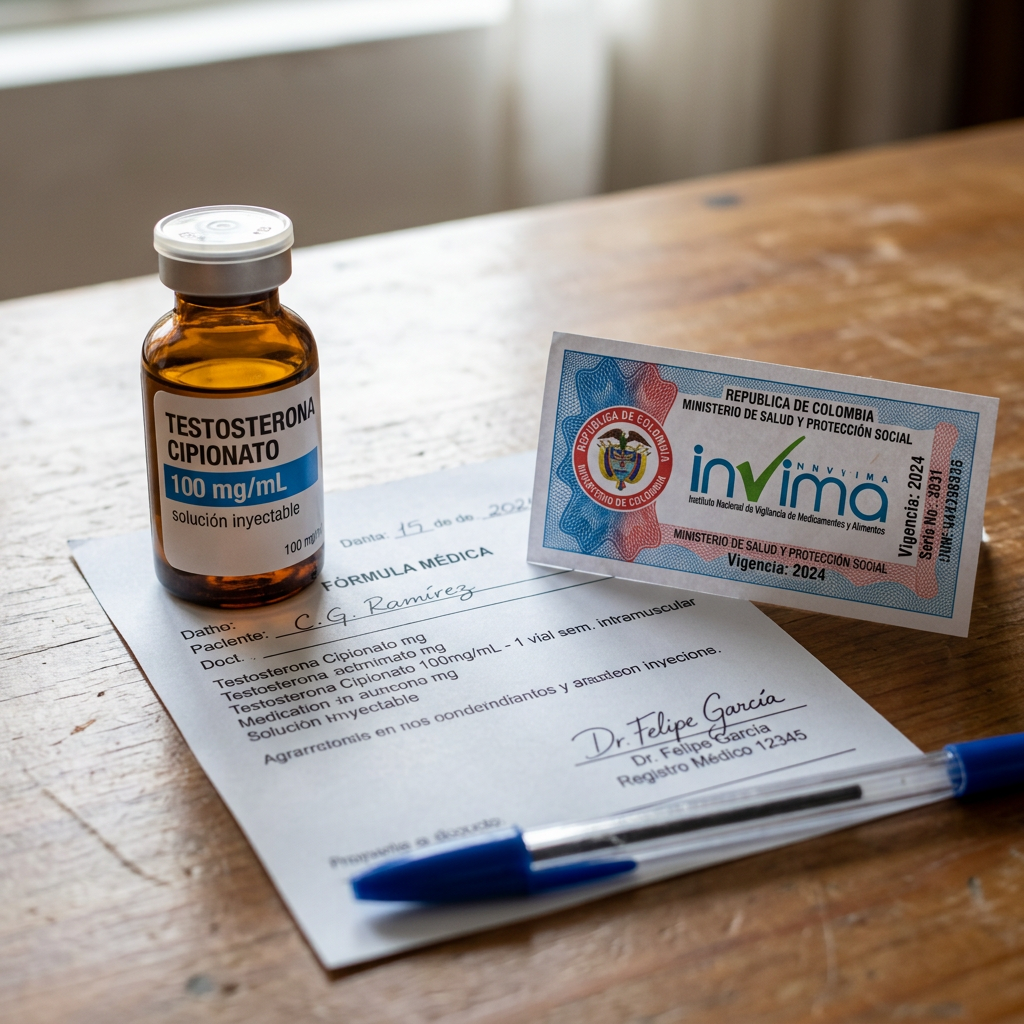
Growth hormone secretagogues and other peptides are increasingly marketed to women in fitness and anti-aging spaces, often sold as “research chemicals” specifically to avoid pharmaceutical regulation. This labeling is not a technicality, it means these products are manufactured with no quality control, no verified dosing accuracy, and no contamination screening. Some independent testing of products sold this way has found the wrong peptide entirely, no active peptide at all, bacterial contamination, or concentrations that differ substantially from what the label states. A woman using an unregulated peptide product is accepting an unknown risk profile of whatever is actually in the vial, at whatever dose actually ended up in it, on top of whatever pharmacological effect the compound itself might have. This is precisely the kind of product that shows up in INVIMA’s sanitary alerts database as fraudulent or unregistered, and checking a product against that database is a genuine, low-cost safety step worth taking before using anything sourced this way.
SARMs: Marketed as “Non-Hormonal,” But They Aren’t
Selective androgen receptor modulators (SARMs), including compounds like ostarine (MK-2866), LGD-4033 (Ligandrol), and RAD-140, are frequently marketed, especially to women, as a “safer” or “non-hormonal” alternative to anabolic steroids. Although SARMs were designed to be more tissue-selective than traditional anabolic steroids, they still activate androgen receptors throughout the body. They are not “non-hormonal,” and published research demonstrates they can suppress the body’s own hormone production. SARMs are also not FDA-approved for general human use.
A published case report documented a recreational SARMs user whose bloodwork showed suppressed testosterone, LH, and FSH, alongside elevated liver enzymes and abnormal cholesterol, all of which returned to normal only after stopping the compounds.8 Although this case involved a recreational user, it demonstrates that SARMs can alter endocrine function in humans despite often being marketed as “safer” alternatives. Research cited in that same report found this suppression can occur after as little as two weeks of use.8
SARMs also carry documented liver risk. A comprehensive review of published SARMs safety data identified multiple case reports of liver injury linked to specific compounds. Elevations in liver enzymes were among the most frequently reported adverse findings across clinical studies, although severe liver injury has also been documented in individual cases.9 More severe cases, including diagnosed drug-induced liver injury, have also been documented.10
The “more selective” design of SARMs does not eliminate virilization risk in women either, it may reduce it relative to a non-selective compound in theory, but real-world selectivity is imperfect, and the unregulated market for these products means product mislabeling and contamination are common, so a woman using a SARM sourced this way cannot be fully certain what she is actually taking in the first place. The FDA has issued formal warning letters to companies for illegally including SARMs like ostarine and LGD-4033 in products marketed as dietary supplements.9
Menstrual Cycle Disruption and Fertility
Elevated androgen exposure from any of these compounds can disrupt the hypothalamic-pituitary-ovarian axis, the hormonal feedback loop governing the menstrual cycle, leading to irregular periods, missed cycles, or their complete absence while using. Some women also experience prolonged recovery of normal menstrual cycles after discontinuation, rather than an immediate return to their prior pattern. For women planning to conceive in the future, this is a genuine consideration that deserves the same upfront conversation men have about fertility preservation before starting testosterone therapy, rather than being discovered only after cycles have already become irregular.
Pregnancy: A Firm Contraindication, Not a Dose Question
Androgen exposure during pregnancy can cause virilization of a female fetus.2 This is not a risk that scales down at a lower dose or becomes acceptable with careful monitoring, it is a clear, unambiguous reason to stop use entirely if pregnancy is a possibility, and to discuss this directly and without judgment with a physician if there is any chance of it.
The Psychological Dimension
The psychological pressure surrounding physique and body image in women’s fitness spaces is its own contributing factor, distinct from the direct pharmacological effects of any compound. Many women using these compounds are not chasing unrealistic goals in isolation, they’re responding to an environment where increasingly enhanced physiques have become normalized across social media, competitive fitness, and even general wellness content. For competitive athletes specifically, pressure to maintain conditioning or remain competitive can become just as influential as appearance itself. Comparison culture, algorithm-driven body expectations, and the competitive bikini and physique circuit all shape what starts to feel like a baseline standard rather than an outlier, which makes an already difficult decision harder to evaluate clearly. Our guide on testosterone and mental health covers the broader hormone-mood connection, and the same non-judgmental medical relationship that addresses physical monitoring should also be a safe place to discuss that pressure honestly, rather than treating it as separate from the physical risk conversation.
What Responsible Medical Support Actually Looks Like
This starts with data, not a lecture. Our guide on interpreting testosterone labs explains what each of these markers means in more depth.
- A comprehensive baseline evaluation – comprehensive bloodwork covering sex hormones (estradiol, LH, FSH, total and free testosterone, SHBG), cardiovascular markers (lipid panel, blood pressure), liver and kidney function, and complete blood count.
- Blood pressure monitoring – tracked at every visit alongside labs, since several of these compounds carry cardiovascular risk that blood work alone does not fully capture.
- Honest, non-judgmental physician review – a licensed physician reviews your actual history and current labs to understand where your body stands right now, not where you think it should be or what you are afraid it might show.
- A monitoring plan tailored to your situation – individualized based on which compounds are involved, how long you’ve been using them, and your specific goals and concerns, including fertility if relevant.
- Ongoing follow-up – tracked over time with repeat labs, the same way any other endocrine or cardiovascular risk would be monitored.
Our guide on women and testosterone covers the evidence-based, legitimate side of female hormone therapy, useful context for understanding where a properly supervised protocol differs from unsupervised compound use. For the equivalent conversation from the men’s side of this topic, our guide on Advanced Support and harm reduction covers the same principles applied to male anabolic use.
Frequently Asked Questions
Will I be judged for asking about this?
No. This service exists specifically because so many women avoid medical care out of fear of exactly this. The goal is medical clarity and monitoring, not judgment, with the same confidentiality as any other medical evaluation.
Is Anavar actually safer than other steroids for women?
It is less androgenic than testosterone-based compounds, which does reduce, but does not eliminate, virilization risk. It still carries real liver and cardiovascular risks confirmed in controlled research, and no dose is known to guarantee virilization will not occur.
Is clenbuterol a steroid?
No. It is a beta-2 agonist bronchodilator, not an anabolic steroid, and its risks are primarily acute cardiovascular ones, including dangerous potassium depletion and heart rhythm disturbances, rather than hormonal effects.
Are SARMs actually non-hormonal, like they’re marketed?
No. Despite being marketed as a “non-hormonal” alternative to steroids, SARMs work by activating androgen receptors and have been shown in published research to suppress the body’s own testosterone, LH, and FSH production, in some cases after as little as two weeks of use. They are also not FDA-approved for general human use and carry documented liver risk.
Are SARMs legal?
Legality varies by country, but most SARMs are not approved medications for general human use. Many products sold online are marketed as “research chemicals” rather than licensed pharmaceutical products, which also means they may not meet pharmaceutical manufacturing standards.
Can virilization be reversed if I stop early enough?
Some effects, particularly early skin and hair changes, may improve after stopping. Voice changes and clitoral enlargement are specifically noted in official prescribing information as potentially irreversible, which is exactly why early monitoring and early recognition of symptoms matters so much.
Can low-dose Anavar prevent virilization?
No. Lower doses reduce risk but do not eliminate it. There is no known dose that is completely safe from virilization risk, and individual sensitivity varies significantly between women.
Should women use liver support supplements while using these compounds?
No supplement has been shown to eliminate oxandrolone’s hepatotoxic potential. Monitoring liver function directly through bloodwork is far more reliable than relying on a supplement to offset the risk.
Can bloodwork detect early problems before symptoms develop?
Yes. Changes in liver enzymes, cholesterol, blood counts, and hormone levels often become abnormal before someone notices any physical symptoms at all, which is exactly why regular monitoring, rather than waiting for something to feel wrong, is the foundation of catching problems early.
What if I’m not ready to stop using these compounds?
Monitoring is still valuable even if you are not stopping right now. Understanding your current hormone levels, lipid profile, liver function, and cardiovascular markers allows real risks to be caught early, regardless of where you are in your decision-making process.
At a Glance: Primary Risks by Compound
| Compound | Primary Risk |
|---|---|
| Anavar (Oxandrolone) | Virilization (potentially irreversible), liver toxicity, HDL reduction |
| Clenbuterol | Cardiac toxicity, dangerous potassium depletion, arrhythmia risk |
| SARMs | Hormone suppression (LH, FSH, testosterone), liver injury, product quality concerns |
| Peptides | Product quality concerns, contamination, uncertain dosing |
The Bottom Line
Social media and gym culture largely treat anabolic use in women’s fitness as an open secret, discussed casually, rarely with the seriousness the actual risk profile deserves. Compounds like Anavar, clenbuterol, SARMs, and unregulated peptides each carry distinct, well-documented risks, some reversible, some genuinely not, and none of them are made safer by silence or self-management.
At TRT Optima, we don’t sell, supply, or encourage the use of these compounds. What we offer is something much simpler: objective laboratory data, physician interpretation, and ongoing monitoring grounded in evidence rather than internet speculation. Schedule a confidential evaluation – you only pay for lab testing, and the initial medical review is free.
Sources
- Oxandrolone Monograph for Professionals. Drugs.com, reflecting FDA prescribing information.
- Oxandrolone. International Programme on Chemical Safety, Poisons Information Monograph 913.
- Effects of Oxandrolone on Cardiometabolic Health: A Randomized Controlled Trial. Journal of Clinical Endocrinology & Metabolism. 2017.
- Clenbuterol: Unapproved and Unsafe. Poison Control (National Capital Poison Center).
- Low Dose Clenbuterol Toxicity: Case Report and Review of Literature, citing New South Wales Poisons Information Centre retrospective data (2004-2012).
- Spiller HA, James KJ, Scholzen S, Borys DJ. A Descriptive Study of Adverse Events from Clenbuterol Misuse and Abuse for Weight Loss and Bodybuilding. Journal of Addictive Diseases. 2013.
- Case report and review of clenbuterol cardiac toxicity. ScienceDirect.
- Metabolic and hormonal dysfunction in asymptomatic patient using selective androgen receptor modulators: a case report. Bulletin of the National Research Centre. 2023.
- Selective Androgen Receptor Modulators. LiverTox, NCBI Bookshelf, National Institutes of Health.
- Labban H, Kwait B, Paracha A, et al. LGD-4033 and a Case of Drug-Induced Liver Injury: Exploring the Clinical Implications of Off-Label Selective Androgen Receptor Modulator Use in Healthy Adults. Cureus. 2024.