

Women’s health
Low libido in women.
Written by the TRT Optima clinical teamUpdated
If your interest in sex has changed and it matters to you, it deserves a conversation. There is no target level of desire you need to meet.
The starting point is your experience and what you would like help with.
English and Spanish support across Colombia.
Understanding the connection
Hormones can influence desire. The context matters.
Around menopause, declining estrogen can cause vaginal dryness and discomfort. When intimacy becomes uncomfortable—or sleep is repeatedly disrupted—interest in sex may change too.
Medications, stress, health conditions, and relationship circumstances can also contribute. More than one factor may be involved.
Where does testosterone fit?
Testosterone may help selected postmenopausal women with persistent low desire that causes personal distress, following a full clinical assessment.
A low testosterone result alone does not establish the diagnosis or predict benefit. Treatment requires monitoring, and long-term safety evidence remains limited.
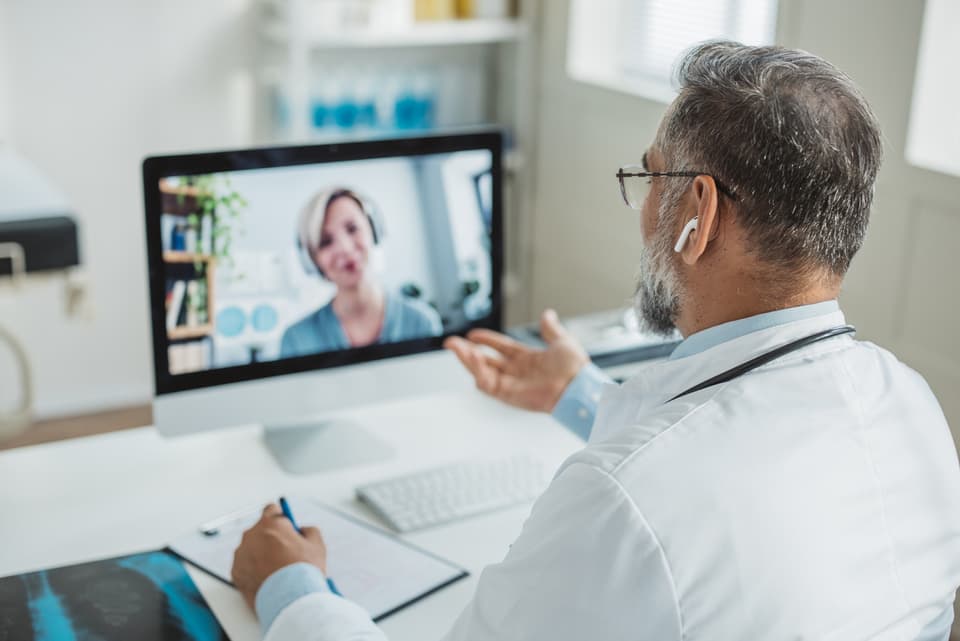
Your experience guides the assessment.
Your physician asks what has changed, whether it concerns you, and whether discomfort, sleep, medications, or other health changes may be contributing.
You can discuss your priorities without pressure to pursue a particular treatment. Options may involve addressing discomfort, reviewing existing care, considering hormonal treatment when appropriate, or arranging further support.
People to turn to
Physician guidance.Practical support.
Your physician explains the findings and recommends appropriate next steps. TRT Optima’s WhatsApp team helps coordinate appointments, relevant bloodwork, and follow-up in English or Spanish.
Virtual consultations across Colombia. Your physician advises when an in-person assessment is needed.
Questions about desire and assessment
Does low desire mean something is wrong?
Not automatically. Desire varies. Assessment is useful when the change concerns you or affects your wellbeing.
Can I seek help if my hormone results are normal?
Yes. Blood results are only one part of the assessment, and several contributors to low desire are not diagnosed with a hormone test.
Do I have to describe everything on WhatsApp?
No. You can start with a general request for an appointment and discuss clinical details directly with your physician.
Understand what has changed.Find your next step.
Talk with our team about arranging a physician assessment. We’ll explain the process and current consultation and testing prices before you decide.
English and Spanish support across Colombia.