Testosterone Pellets in Colombia: How They Work, How Long They Last, and What to Expect
Learn how testosterone pellets work, how long they last, and what insertion is like. TRT Optima offers physician-managed pellet therapy for women and men in Colombia.
Quick answer
How testosterone pellets work, how long they last and what insertion is like, with physician-managed pellet therapy for women and men in Colombia.
Testosterone pellets are a long-acting form of testosterone therapy for appropriately selected women and men who want treatment without frequent injections or daily topical application. Small testosterone pellets are placed beneath the skin during a brief in-office procedure, where they gradually release testosterone over an extended period, often several months. For the right patient, this can mean far fewer treatment administrations throughout the year and no self-injections. TRT Optima's physicians offer testosterone pellets alongside other testosterone therapies so the delivery method can be matched to the individual patient.
For some patients, the hardest part of hormone therapy isn't the treatment itself, it's having to think about it constantly. Injections need to be scheduled. Daily topical treatments need to be remembered, timed around showers, and kept away from partners and children. Travel takes planning around supplies and timing. For a lot of people, this ongoing mental overhead is a bigger barrier to sticking with treatment than the treatment itself ever was.
Testosterone pellets offer a different approach. This guide covers what they are, why patients choose them, what the insertion procedure is actually like, and whether they might be the right fit for you.
Why Patients Choose Testosterone Pellets
The biggest advantage of pellet therapy is simple: you don't have to think about your testosterone treatment very often.
There is no injection day every week. No syringes or needles to keep at home. No daily gel or cream to remember. No medication routine to pack every time you travel.
After a brief in-office insertion procedure, the pellets remain beneath the skin and gradually release testosterone over an extended period.
For busy professionals, frequent travelers, patients who dislike needles, or anyone who simply wants hormone therapy to take up less space in their life, that convenience can be a significant advantage.
What Are Testosterone Pellets?
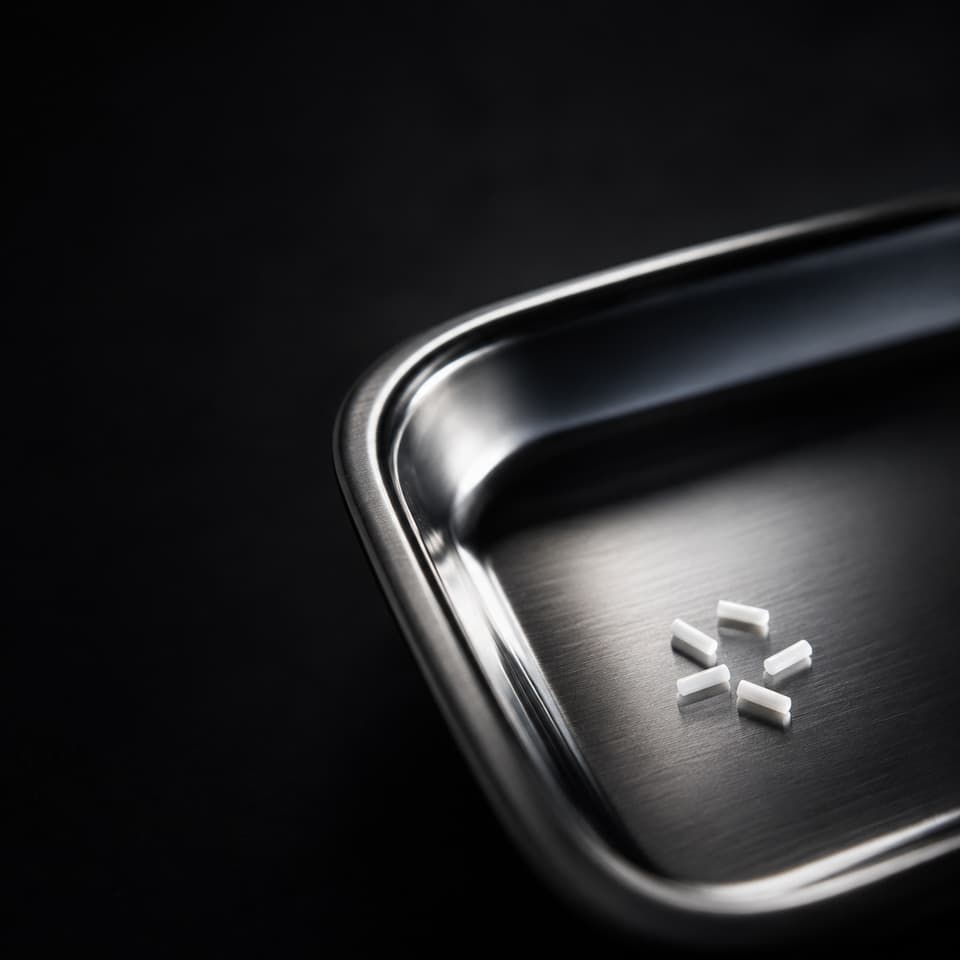
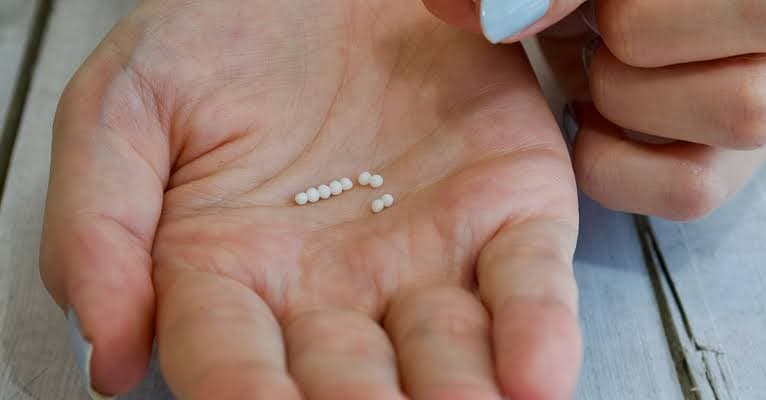
Testosterone pellets are small implants, about the size of a grain of rice, containing testosterone. They're placed beneath the skin, typically in the hip or upper buttock area, where they gradually release testosterone into the bloodstream. Once inserted, they remain in place for months, without requiring any recurring at-home administration.
What Is Testosterone Pellet Insertion Actually Like?
The word "implant" can make this sound more involved than it actually is. In reality, this is a brief, physician-administered, in-office procedure:
- The treatment area is cleaned
- A local anesthetic is administered
- A very small incision is made
- The pellets are inserted beneath the skin
- The site is dressed, often with just adhesive tape or a single stitch
- You head home with simple aftercare instructions
Most patients are surprised by how straightforward the whole thing is, closer to a quick in-office visit than anything resembling surgery.
What Does It Feel Like to Be on Testosterone Pellets?
Pellets aren't a "stronger" version of testosterone, they're simply a different way of delivering the same treatment your physician determines is right for you.
What patients notice most is what isn't happening: once the insertion site has healed, there is no weekly injection to remember, no daily product to apply, and no treatment supplies to manage at home. For many patients, testosterone therapy simply becomes a much smaller part of everyday life.
How Long Do Testosterone Pellets Last?
For many patients, pellet therapy is measured in months rather than days or weeks. Published research in men has shown therapeutic testosterone levels sustained for approximately 4 to 6 months with certain pellet formulations.1 Your actual interval depends on your specific dose, product, and how your body responds, which your physician will confirm and monitor at your follow-up visits. For many patients, that means treatment administrations are measured in months rather than weeks or days.
Testosterone Pellets for Women
Testosterone isn't exclusively a male hormone. Women naturally produce testosterone too, and in appropriately selected patients, testosterone therapy may form part of a physician-managed hormone treatment plan.2
For women who are candidates for testosterone therapy, pellets offer an especially simple delivery option: no daily cream or gel to apply, no recurring self-injections, and no medication routine to remember every day. Once inserted, the pellets gradually release testosterone over an extended period while your physician monitors your response through symptoms and follow-up testing.
Testosterone dosing for women is very different from dosing for men, which is why treatment must be individualized. Your physician determines whether testosterone therapy is appropriate for you, selects the dose, and monitors your response over time.
Testosterone Pellets for Men
For men already receiving, or considering, TRT, pellets offer a genuine alternative to recurring injections or daily topical testosterone: no self-injection, easier travel, no supplies to manage at home, and fewer treatment administrations overall.
The one tradeoff worth knowing: once pellets are inserted, the dose is fixed until your next scheduled visit, so it can't be adjusted as quickly as an injectable dose can. Your physician will factor this into your initial dosing and monitoring plan.
Testosterone Pellets vs. Injections vs. Topical Testosterone
| How often treatment is administered | Every few months Recurring; frequency depends on protocol Daily |
| At-home administration | None required Yes, self-injection Yes, daily application |
| Needles | Only at insertion visit Yes No |
| Daily routine | No No Yes |
| Travel | Nothing to administer or pack for routine dosing Requires carrying supplies Requires daily product |
| Dose flexibility | Fixed until next visit Adjustable each dose Adjustable daily |
| Office procedure | Yes, each insertion No, after initial teaching No |
| Convenience | Fewest total treatment moments Most control over dosing No procedure or needles |
Who May Prefer Testosterone Pellets?
- Frequent travelers
- People who dislike self-injection
- People who don't want medication supplies at home
- Busy patients who want treatment to take up less mental space
- People who find it hard to stick with a recurring injection or daily routine
- Existing testosterone patients who are simply tired of their injection routine
Some patients still prefer injections or topical treatment, usually because they want more flexibility to fine-tune their dose or would rather avoid an insertion procedure altogether. Your physician can help you weigh this against your own priorities.
The Honest Tradeoffs
Like any treatment option, pellets have tradeoffs. Insertion can cause temporary soreness or bruising, and uncommon complications include infection or pellet extrusion.3 The biggest practical limitation is that once pellets are inserted, the dose cannot be adjusted as quickly as it can with injections. Your physician will discuss these considerations with you before treatment.
How We Support You on Pellet Therapy
Pellet therapy may reduce how often you have to think about administering testosterone, but it doesn't mean you're managing treatment alone. TRT Optima's physicians use follow-up bloodwork and symptom monitoring to evaluate your response and help determine the dose and timing of your future insertions. You get the convenience of a long-acting treatment with the medical oversight and ongoing support that are central to every TRT Optima treatment plan. Our complete guide on interpreting testosterone labs covers what that follow-up bloodwork actually looks at, if you want the deeper detail.
What Determines the Cost of Testosterone Pellet Therapy?
Pricing depends on your specific dose and treatment plan. Visit our pricing page or reach out directly on WhatsApp for current details specific to your situation.
Frequently Asked Questions
How long do testosterone pellets last?
Typically several months, research in men has shown therapeutic levels sustained for approximately 4 to 6 months with certain formulations.1 Your physician will confirm the expected interval for your specific dose and product.
Does pellet insertion hurt?
The area is numbed with local anesthetic beforehand, so most patients report only minor discomfort during the procedure, with some soreness at the site for a few days afterward.
Where are testosterone pellets inserted?
Typically in the hip or upper buttock area, through a very small incision.
Can I feel the pellets?
Some patients notice a small firmness at the site in the first days afterward, but this isn't typically noticeable during normal activity once healed.
Can I exercise after insertion?
Your physician will give you specific aftercare guidance based on your procedure, generally you can resume light activity quickly, with strenuous activity involving the area held off briefly while it heals.
Can women get testosterone pellets?
Yes, for appropriately selected women, as one of several individualized testosterone therapy options your physician may discuss with you.
Can men get testosterone pellets?
Yes, pellets are a well-established delivery option for men receiving TRT.
Can I switch from testosterone injections to pellets?
Potentially, yes. Patients already receiving testosterone therapy may be able to transition to pellet therapy, but the timing should be planned by your treating physician based on your current formulation, dose, symptoms, and bloodwork, rather than switching on your own.
Are pellets better than injections?
Not universally, they're different delivery methods with different tradeoffs. The right choice depends on your lifestyle and how you respond, which is exactly what your evaluation is for.
How much do testosterone pellets cost?
Pricing depends on your specific treatment plan. Check our pricing page or ask us directly for current details.
How often do I need bloodwork?
Your physician schedules follow-up bloodwork to confirm your levels are in the right range and to guide your next insertion.
Do testosterone pellets affect male fertility?
Exogenous testosterone, regardless of delivery method, can suppress the natural signals that drive sperm production. Pellets don't avoid this consideration simply because of how they're delivered, so if fertility is a priority, it's worth discussing with your physician before starting any form of testosterone therapy.
Do I have to be an existing TRT Optima patient to get testosterone pellets?
No. If you already have labs, a prescription, or treatment history from another clinic, you can bring that with you as a starting point for your evaluation, rather than starting completely from scratch.
Could Testosterone Pellets Be Right for You?
If the idea of managing your testosterone therapy only a few times per year sounds more appealing than recurring injections or daily topical treatment, pellets may be worth discussing with one of our physicians.
TRT Optima offers testosterone pellet therapy for appropriately selected women and men in Colombia, alongside injectable and other hormone treatment options. We don't use a one-size-fits-all approach to testosterone therapy. Your physician reviews your bloodwork, symptoms, health history, goals, and lifestyle and helps determine which approach makes the most sense for you.
Already interested in testosterone pellets?
Ask TRT Optima About Testosterone Pellets on WhatsApp →
Not sure whether testosterone therapy is appropriate for you? Start with your Free Hormone Evaluation.
Sources
- A Phase IV Prospective Evaluation of the Safety and Efficacy of Extended Release Testosterone Pellets for the Treatment of Male Hypogonadism. Journal of Sexual Medicine. 2015.
- Davis SR, Baber R, Panay N, et al. Global Consensus Position Statement on the Use of Testosterone Therapy for Women. Journal of Clinical Endocrinology & Metabolism. 2019;104(10):4660-4666.
- Pastuszak AW, et al. Pharmacokinetic Evaluation and Dosing of Subcutaneous Testosterone Pellets. Journal of Andrology. 2012.
- Bhasin S, Brito JP, Cunningham GR, et al. Testosterone Therapy in Men With Hypogonadism: An Endocrine Society Clinical Practice Guideline. Journal of Clinical Endocrinology & Metabolism. 2018.
- Parish SJ, Simon JA, Davis SR, et al. International Society for the Study of Women's Sexual Health Clinical Practice Guideline for the Use of Systemic Testosterone for Hypoactive Sexual Desire Disorder in Women. Journal of Sexual Medicine. 2021;18(5):849-867.
This article is educational and does not replace professional medical advice. Diagnosis, prescriptions and treatment decisions are made by licensed physicians.